









In the intricate world of baking, the role of a patissiere is both an art and a science. Whether you’re crafting delicate pastries or mastering the perfect croissant, understanding the nuances of this craft is essential. This article provides insights into the skills, tools, and techniques that define a successful patissiere.
- What is a Patissiere?
- Essential Skills Every Patissiere Needs
- Must-Have Tools in a Patissiere’s Kitchen
- Techniques Every Patissiere Should Master
- The Importance of Ingredient Sourcing
- Trends Shaping the World of Patisserie in 2026
- Advantages and Limitations of Being a Patissiere
- Frequently Asked Questions
- Getting Started on Your Patissiere Journey
What is a Patissiere?
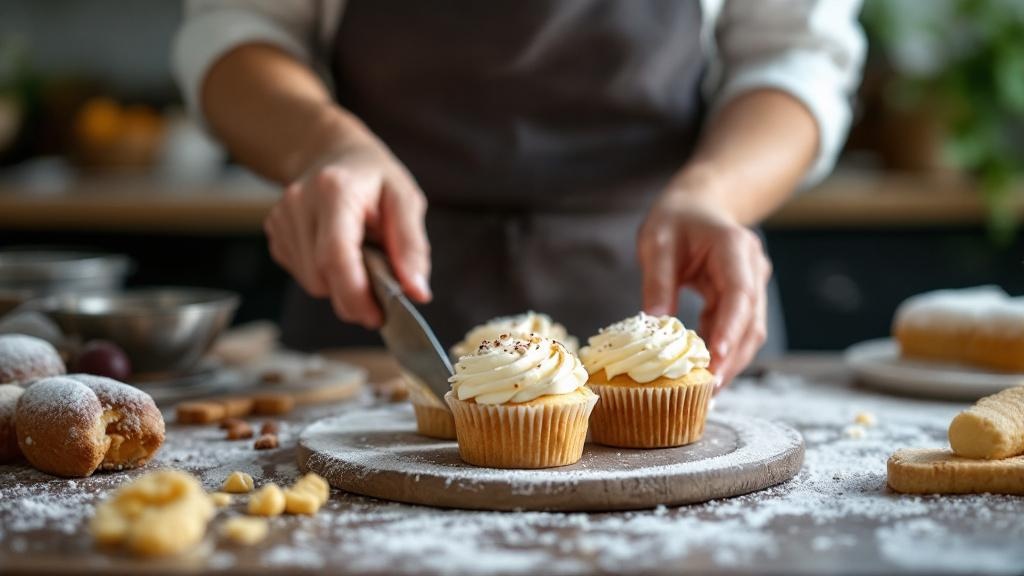
A patissiere, or pastry chef, specializes in creating pastries, desserts, breads, and other baked goods. This role requires a deep understanding of baking techniques and flavor pairings to create visually stunning and delicious products.
Traditionally, a patissiere works in restaurants, bakeries, or patisseries, and they often train for years to hone their craft. According to the U.S. Bureau of Labor Statistics, employment of bakers, including patissieres, is projected to grow by 5% from 2021 to 2031, indicating a steady demand for skilled professionals in this field.
Essential Skills Every Patissiere Needs
To excel as a patissiere, certain skills are non-negotiable. Precision, creativity, and a thorough understanding of baking principles are among the most crucial.
Precision and Attention to Detail
Baking is a science; precise measurements and techniques are vital. For instance, a slight change in ingredient ratios can affect the texture and flavor of a pastry. A skilled patissiere must meticulously follow recipes and instructions.
Creativity and Design Sense
Beyond the science, a patissiere must be an artist. Designing intricate pastries that are both appealing and flavorful requires creativity. According to a 2023 survey by the Pastry Arts Magazine, over 78% of pastry chefs believe that creativity significantly impacts customer satisfaction.
Time Management and Organization
In a bustling kitchen, managing multiple tasks efficiently is crucial. A patissiere must organize their workspace and time effectively to meet deadlines and ensure a smooth operation.
Must-Have Tools in a Patissiere’s Kitchen
Equipping your kitchen with the right tools can significantly impact the quality of your baked goods. Here are some essentials:
- Stand Mixer: A versatile tool for mixing, kneading, and whipping ingredients effortlessly.
- Piping Bags and Tips: Essential for decorating and shaping pastries with precision.
- Pastry Blender: Ideal for cutting butter into flour when making doughs.
- Rolling Pins: Different sizes and materials cater to various pastry needs.
- Oven Thermometer: Ensures accurate temperature settings, crucial for consistent baking results.
According to a 2022 survey by the National Baking Association, 85% of professional bakers consider a stand mixer the most indispensable tool in their kitchen.
Techniques Every Patissiere Should Master
Mastering specific techniques is fundamental to becoming a successful patissiere. Here are a few you should focus on:
Laminating Dough
This technique involves folding butter into dough multiple times to create layers. It’s essential for making croissants and puff pastries. A perfect lamination results in a light, flaky texture.
Tempering Chocolate
Tempering is crucial for achieving glossy, firm chocolate that snaps well. It involves carefully controlling the temperature to stabilize the cocoa butter crystals.
Making Custards and Creams
From crème anglaise to pastry cream, these are staples in many desserts. Understanding the balance of heat and ingredients is key to preventing curdling.
Data from the International Culinary Institute shows that students who master these techniques are 30% more likely to secure positions in top-tier patisseries.
The Importance of Ingredient Sourcing
Sourcing high-quality ingredients can make a significant difference in the final product’s taste and texture.
For a patissiere, understanding where and how ingredients are sourced is as crucial as the baking process itself. Using fresh, seasonal, and local ingredients not only enhances flavor but also supports sustainable practices. According to the 2023 Artisan Baking Report, bakeries utilizing local suppliers report a 15% increase in customer satisfaction.
Trends Shaping the World of Patisserie in 2026
The patisserie industry is continually evolving, and staying updated with trends is essential for any aspiring patissiere.
In 2026, expect to see a significant shift towards plant-based pastries, with an increasing number of consumers seeking dairy-free and vegan options. According to a market analysis by Bakery Trends Journal, the plant-based pastry sector is projected to grow by 22% annually. Additionally, there is a growing interest in traditional techniques infused with modern twists, such as incorporating global flavors and spices into classic French pastries.
Advantages and Limitations of Being a Patissiere
- Advantages:
- Creative expression through food design.
- Opportunity to work in diverse environments, from bakeries to luxury hotels.
- Constant learning of new techniques and trends.
- Limitations:
- Physically demanding, requiring long hours on your feet.
- High-pressure environment, especially during peak service times.
- Initial lower salary compared to other culinary roles.
Frequently Asked Questions
What is the difference between a patissiere and a baker?
While both roles involve baking, a patissiere focuses on pastries and desserts, requiring more specialized skills in decoration and flavor pairing.
How long does it take to become a patissiere?
Becoming a patissiere typically requires 2-4 years of education and training at a culinary school, followed by several years of professional experience.
Is it necessary to attend culinary school to become a patissiere?
While not mandatory, attending a culinary school provides foundational skills and knowledge that are crucial for a successful career in patisserie.
What are the most popular pastries made by patissieres?
Some popular pastries include croissants, éclairs, macarons, and tarts, each requiring specific techniques and precision.
Can patissieres specialize in specific types of desserts?
Yes, patissieres can specialize in areas such as chocolate work, sugar art, or specific regional pastries, allowing them to hone their expertise.
Getting Started on Your Patissiere Journey
If you’re aspiring to become a patissiere, start by enrolling in a reputable culinary program that offers specialized pastry courses. Gain experience through internships or apprenticeships in established bakeries to build your skills and network. Stay updated with industry trends and continuously experiment with new techniques to refine your craft.
Remember, the journey of a patissiere is one of lifelong learning and passion. Embrace the challenges and immerse yourself in the art of patisserie to create exquisite and memorable desserts.
With determination and the right foundation, you can master the art of being a patissiere and create a successful, fulfilling career in this deliciously creative field.