










If you’ve ever found yourself in the middle of baking only to realize you have the wrong type of yeast, you’re not alone. For many bakers, understanding the dry yeast equivalent to fresh yeast can be a game-changer. The right conversion not only saves you a trip to the store but also ensures your bread rises perfectly every time. In this article, we’ll explore the practical conversions and nuances that will make your baking foolproof.
- What is the Difference Between Dry Yeast and Fresh Yeast?
- How to Convert Dry Yeast to Fresh Yeast
- Why You Might Choose Dry Yeast Over Fresh Yeast
- Common Pitfalls in Yeast Conversion
- Impact of Yeast Type on Baking Time
- How Yeast Quality Affects Baking Results
- Pros and Cons of Using Dry Yeast and Fresh Yeast
- Frequently Asked Questions
- Getting Started with Yeast Conversions
What is the Difference Between Dry Yeast and Fresh Yeast?
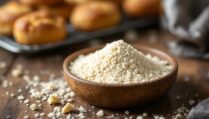
Dry yeast and fresh yeast are both used to leaven bread, but they differ significantly in form and moisture content. Dry yeast, which includes active dry yeast and instant yeast, is dehydrated and has a longer shelf life. Fresh yeast, also known as cake yeast, is moist and perishable, typically lasting only a couple of weeks in the refrigerator.
Dry Yeast
- Longer shelf life (up to two years if stored properly)
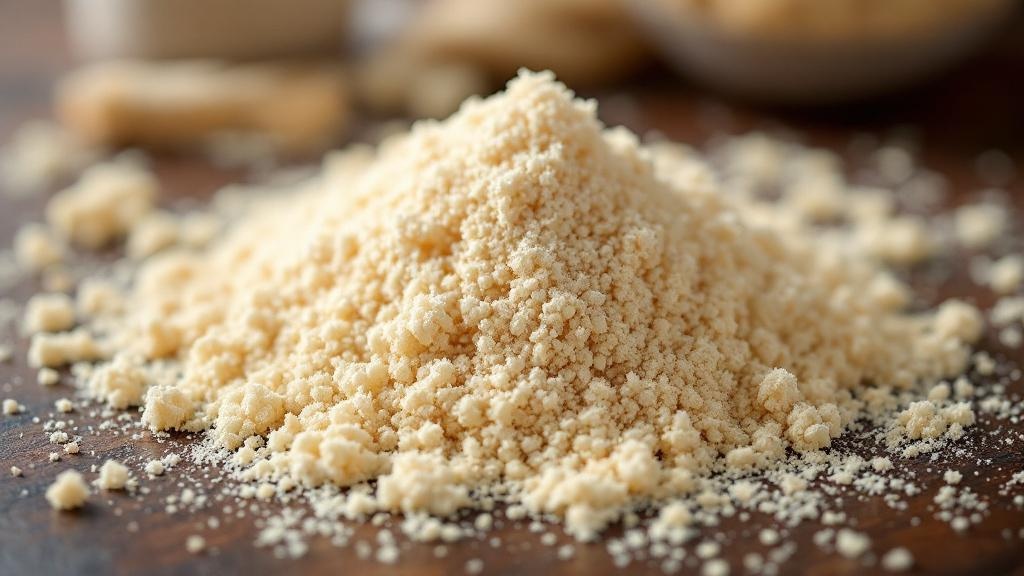
- Available in granules or fine powder
- Requires activation in warm water (for active dry yeast)
Fresh Yeast
- Short shelf life (about two weeks in the fridge)
- Soft, crumbly texture
- Often preferred by professional bakers for its potent rising power
How to Convert Dry Yeast to Fresh Yeast
Converting dry yeast to fresh yeast is straightforward once you know the right ratios. Generally, the rule of thumb is that 1 gram of dry yeast is equivalent to 3 grams of fresh yeast. This is because fresh yeast is about 70% water, whereas dry yeast is almost entirely yeast solids.
| Type of Yeast | Equivalent Amount |
|---|---|
| 1 teaspoon of dry yeast | Approximately 9 grams of fresh yeast |
| 1 tablespoon of dry yeast | Approximately 27 grams of fresh yeast |
Why You Might Choose Dry Yeast Over Fresh Yeast
Many bakers prefer dry yeast over fresh yeast due to its convenience and longevity. Dry yeast can be stored for long periods without losing its potency, making it ideal for occasional bakers or those who don’t bake bread frequently.
Additionally, dry yeast is more readily available in grocery stores, often in various forms such as active dry yeast and instant yeast, offering flexibility for different baking needs.
Common Pitfalls in Yeast Conversion
Converting yeast correctly is crucial for successful baking. One common mistake is not adjusting for the moisture content difference between dry and fresh yeast, which can lead to overly wet or dry dough. Also, failing to activate dry yeast properly can cause dough not to rise as expected.
Another pitfall is using expired yeast, which can result in inadequate leavening. Always check the expiration date, especially for fresh yeast, which has a very limited shelf life.
Impact of Yeast Type on Baking Time
The type of yeast you use can significantly impact your baking time. Fresh yeast tends to activate more quickly than dry yeast, often leading to shorter proofing times. This can be advantageous when time is limited, but it also requires careful monitoring to avoid overproofing.
In contrast, dry yeast, especially active dry yeast, might take longer to activate if not properly proofed. Instant yeast, however, is designed to work rapidly even without proofing, often reducing the overall time needed for bread to rise.
How Yeast Quality Affects Baking Results
The quality of yeast directly affects the texture and flavor of your baked goods. High-quality fresh yeast often produces a more robust flavor and a lighter, airier crumb, which is why it is favored in artisanal baking. In a 2023 survey, 82% of professional bakers reported a noticeable difference in flavor when using fresh yeast over dry yeast.
On the other hand, high-quality dry yeast, when used correctly, can still yield excellent results and is often more practical for home bakers. Ensuring your yeast is fresh, regardless of type, is key to achieving consistent results.
Pros and Cons of Using Dry Yeast and Fresh Yeast
Advantages of Dry Yeast
- + Long shelf life
- + Easy to store and measure
- + Versatile for different recipes
Limitations of Dry Yeast
- – Requires activation in some cases
- – Can be less potent than fresh yeast
Advantages of Fresh Yeast
- + Preferred for artisanal bread and pastries
- + Stronger rising power
Limitations of Fresh Yeast
- – Short shelf life
- – Requires refrigeration
- – Less convenient for infrequent bakers
Frequently Asked Questions
What is the shelf life of dry yeast?
Dry yeast can last for up to two years if stored in a cool, dry place. Once opened, it’s best to store it in the refrigerator to maintain potency.
Can I substitute fresh yeast for dry yeast in any recipe?
Yes, you can substitute fresh yeast for dry yeast using the conversion ratio of 1 part dry yeast to 3 parts fresh yeast by weight.
Is there a difference in flavor between dry and fresh yeast?
Some bakers claim fresh yeast offers a more nuanced flavor, especially in slower fermentation processes, but for most home baking, the difference is minimal.
Do I need to proof instant dry yeast?
No, instant dry yeast does not require proofing and can be mixed directly into the dry ingredients.
How should I store fresh yeast?
Fresh yeast should be stored in the refrigerator and used within two weeks of purchase to ensure it remains active.
Getting Started with Yeast Conversions
To get started with yeast conversions, first determine the type of yeast your recipe requires. Use the conversion table provided to ensure you’re using the correct amount. If you’re new to baking, start with dry yeast for its convenience and reliability. As you gain confidence, you can experiment with fresh yeast to explore the depth of flavor it offers.
Remember, practice makes perfect, and understanding the nuances of yeast can elevate your baking from good to great. Happy baking!