










By FoolProofBaking · 2026-06-12 · 5 min read
When it comes to baking, the right ingredients can make all the difference. One ingredient that often flies under the radar is self-rising flour. Many home bakers may not fully understand its potential or how to use it effectively. This guide aims to demystify self-rising flour, explaining its composition, benefits, and practical applications in your kitchen.
- What is Self-Rising Flour?
- Benefits of Using Self-Rising Flour
- How to Substitute Self-Rising Flour
- Recipes Using Self-Rising Flour
- Common Mistakes to Avoid
- Storage and Shelf Life of Self-Rising Flour
- Nutritional Value of Self-Rising Flour
- FAQs About Self-Rising Flour
What is Self-Rising Flour?
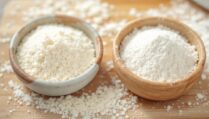
Self-rising flour is a pre-mixed blend of all-purpose flour, baking powder, and salt. Typically, the ratio is about 1 cup of flour to 1 ½ teaspoons of baking powder and ¼ teaspoon of salt. This combination allows for a convenient baking experience without the need to add leavening agents separately. It’s particularly popular in Southern cooking, especially for biscuits and pancakes.
Benefits of Using Self-Rising Flour
Using self-rising flour can simplify your baking process significantly. Here are some compelling benefits:
- Time-Saving: The convenience of having the leavening agents already mixed in saves prep time, allowing you to whip up baked goods faster.
- Consistency: Using self-rising flour can lead to more consistent results, especially for beginners who might not measure baking powder and salt correctly.
- Versatility: It’s ideal for a variety of recipes, including quick breads, muffins, and pancakes, making it a staple in many kitchens.
How to Substitute Self-Rising Flour
If you’re in the middle of a recipe and realize you don’t have self-rising flour, don’t panic. You can easily create your own substitute. To make 1 cup of self-rising flour, combine:
- 1 cup of all-purpose flour
- 1 ½ teaspoons of baking powder
- ¼ teaspoon of salt
This simple mix gives you the same leavening power as commercial self-rising flour. Just make sure to adjust any additional salt in your recipe accordingly.
Recipes Using Self-Rising Flour
Self-rising flour shines in various recipes. Here are a few tried-and-true examples to get you started:
1. Fluffy Pancakes
Start your morning right with these light and fluffy pancakes. Combine 1 cup of self-rising flour, 1 tablespoon of sugar, 1 cup of milk, 1 egg, and 2 tablespoons of melted butter. Cook on a hot griddle until golden brown.
2. Quick Biscuits
For flaky biscuits, mix 2 cups of self-rising flour, ½ cup of cold butter, and ¾ cup of buttermilk until just combined. Bake at 450°F (232°C) for about 10-12 minutes.
3. Simple Cake
A basic cake can be made using 1 ½ cups of self-rising flour, 1 cup of sugar, ½ cup of butter, and 2 eggs. Beat until creamy, pour into a greased pan, and bake at 350°F (177°C) for about 30 minutes or until a toothpick comes out clean.
Common Mistakes to Avoid
Even the best bakers can make mistakes. Here are a few common pitfalls when using self-rising flour:
- Not Checking Freshness: Baking powder can lose potency over time. Always check expiration dates to ensure your flour rises properly.
- Using Too Much: Since self-rising flour already contains leavening agents, avoid adding extra baking powder or baking soda unless specified.
- Assuming All Flour is Equal: Different brands may have varying levels of baking powder. It’s a good idea to test a small batch first if you’re switching brands.
Storage and Shelf Life of Self-Rising Flour
To maximize the longevity of your self-rising flour, proper storage is essential. Keep it in an airtight container in a cool, dry place. Under these conditions, self-rising flour generally lasts about 6-8 months. However, if stored in the refrigerator, it can last even longer, up to 12 months. Always check for any off smells or discoloration before using, as these can indicate spoilage.
Nutritional Value of Self-Rising Flour
Understanding the nutritional profile of self-rising flour can help you make informed choices in your baking. A typical serving size (1/4 cup) of self-rising flour contains approximately:
- Calories: 110
- Carbohydrates: 23g
- Protein: 3g
- Fat: 0.5g
- Sodium: 260mg
This nutritional content makes it a suitable option for various baking recipes, but consider combining it with whole grains or alternative flours for added fiber and nutrients.
FAQs About Self-Rising Flour
What is the shelf life of self-rising flour?
Self-rising flour generally lasts about 6-8 months when stored in a cool, dry place. Always check for any off smells or discoloration before using.
Can I use self-rising flour in place of all-purpose flour?
Yes, you can, but you’ll need to adjust the amount of baking powder and salt in your recipe accordingly. It’s often best to follow recipes specifically designed for self-rising flour.
Is self-rising flour gluten-free?
No, traditional self-rising flour contains wheat flour and is not gluten-free. However, gluten-free versions are available, typically made with a blend of alternative flours.
Can I make my own self-rising flour?
Absolutely! Just mix 1 cup of all-purpose flour with 1 ½ teaspoons of baking powder and ¼ teaspoon of salt to create your own self-rising flour.
Why are my baked goods dense when using self-rising flour?
Dense baked goods may result from using expired baking powder, overmixing the batter, or using too much flour. Always measure accurately and avoid overworking the dough.
Can you use self-rising flour for bread?
While you can use self-rising flour for quick breads, it’s not ideal for traditional yeast breads as they require a specific structure and fermentation that self-rising flour cannot provide.
What are some common recipes that specifically benefit from self-rising flour?
Some popular recipes that benefit greatly from self-rising flour include Southern-style biscuits, pancakes, cornbread, and muffins, all of which leverage the convenience of built-in leavening agents.
Can self-rising flour be used in gluten-free baking?
While traditional self-rising flour contains gluten, gluten-free versions are available that can be used similarly. Always check the label and make adjustments for moisture as gluten-free flours can behave differently.
How can I enhance the flavor of baked goods made with self-rising flour?
To enhance flavor, consider adding ingredients like vanilla extract, spices (such as cinnamon or nutmeg), or citrus zest to your mixture, which can elevate the overall taste of your baked goods.