












By FoolProofBaking · 2026-06-08 · 5 min read
Knowing whether your flour is self-rising or not can save you from culinary disasters, especially when baking. Self-rising flour is a convenient ingredient, but not everyone may have it on hand, and it can sometimes be confusing to differentiate it from all-purpose flour. Understanding how to identify self-rising flour will help you ensure your recipes turn out perfectly every time.
- What is Self-Rising Flour?
- Key Characteristics of Self-Rising Flour
- How to Check if Your Flour is Self-Rising
- Common Uses for Self-Rising Flour
- Tips for Storing Self-Rising Flour
- Can I Use Self-Rising Flour in Place of All-Purpose Flour?
- Self-Rising Flour Substitutes
What is Self-Rising Flour?
Self-rising flour is a blend of all-purpose flour, baking powder, and salt. It is designed to provide a leavening agent, which means it helps baked goods rise without the need for additional leavening agents. Typically, self-rising flour contains about 1 ½ teaspoons of baking powder and ½ teaspoon of salt per cup of flour. This makes it a staple in many Southern recipes, especially for biscuits, pancakes, and quick breads.
Key Characteristics of Self-Rising Flour
Understanding the unique features of self-rising flour can help you identify it easily:
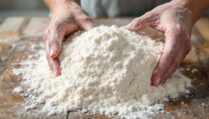
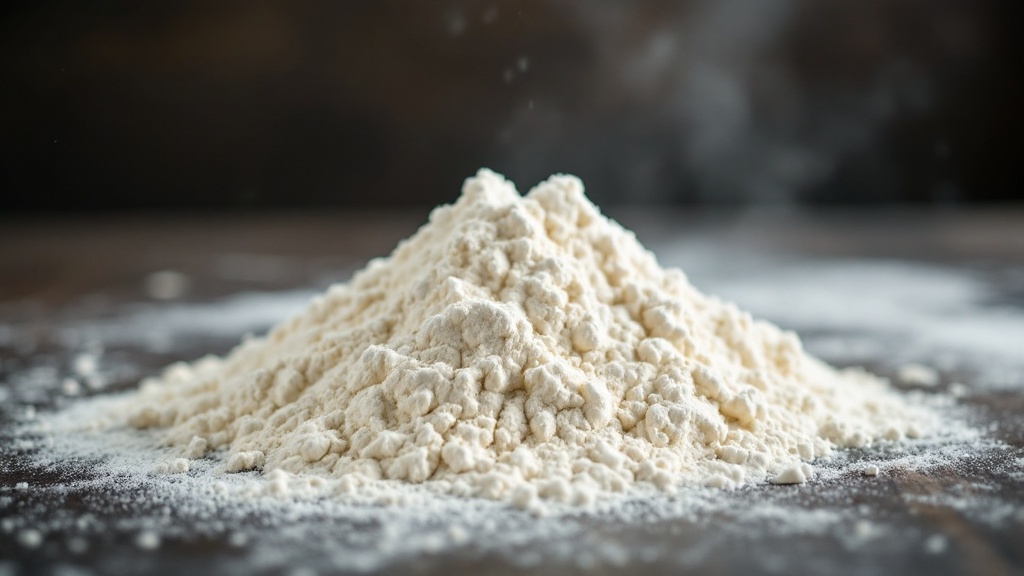
- Texture and Color: Self-rising flour is similar in texture and color to all-purpose flour, usually a fine white powder. However, it may feel slightly more powdery due to the added ingredients.
- Leavening Ability: The presence of baking powder means that self-rising flour will cause baked goods to rise more effectively than all-purpose flour alone.
- Flavor: Because salt is added, self-rising flour may impart a slight salty flavor compared to standard all-purpose flour.
How to Check if Your Flour is Self-Rising
There are a few simple methods to determine if the flour you have is self-rising:
Check the Packaging
The easiest way to tell if flour is self-rising is to check the packaging. Most brands will clearly label their product as “self-rising”. If the package is missing or unclear, you can use the following methods.
Smell Test
Self-rising flour may have a slightly different smell compared to all-purpose flour due to the baking powder and salt. If you can detect a hint of chemical, it might be self-rising flour.
The Water Test
You can also perform a simple water test. Take a tablespoon of the flour and mix it with about 2 tablespoons of water in a small bowl. If the mixture bubbles or foams, it indicates that baking powder is present, confirming that the flour is self-rising.
Common Uses for Self-Rising Flour
Self-rising flour is often used in recipes where a light, fluffy texture is desired. Here are some popular uses:
- Biscuits: Self-rising flour is ideal for making flaky, tender biscuits.
- Pancakes: The leavening agents help pancakes rise and become fluffy.
- Quick Breads: Banana bread, cornbread, and other quick breads benefit from the added leavening.
- Cakes: Certain cake recipes call for self-rising flour to achieve a lighter texture.
Tips for Storing Self-Rising Flour
To maintain the quality of self-rising flour, proper storage is essential. Here are some tips:
- Airtight Containers: Store flour in a cool, dry place in an airtight container to prevent moisture absorption and contamination.
- Labeling: If transferring to another container, be sure to label it clearly as self-rising flour to avoid confusion later.
- Expiration Date: Check the expiration date regularly, as the leavening agents in self-rising flour can lose potency over time.
- Refrigeration: For longer storage, consider refrigerating self-rising flour, but allow it to come to room temperature before using it in recipes.
Can I Use Self-Rising Flour in Place of All-Purpose Flour?
Using self-rising flour instead of all-purpose flour can work, but you must adjust your recipe accordingly. Since self-rising flour already contains baking powder and salt, you need to omit those ingredients from your recipe. For instance, if a recipe calls for 2 cups of all-purpose flour, you can substitute it with 2 cups of self-rising flour but skip adding additional leavening agents like baking powder or salt.
Self-Rising Flour Substitutes
If you find yourself without self-rising flour, you can create a substitute using common kitchen ingredients. Here’s how:
- All-Purpose Flour + Baking Powder + Salt: Mix 1 cup of all-purpose flour with 1 ½ teaspoons of baking powder and ½ teaspoon of salt to mimic self-rising flour.
- Whole Wheat Flour Substitute: Combine 1 cup of whole wheat flour with 1 ½ teaspoons of baking powder and ½ teaspoon of salt for a healthier option.
- Gluten-Free Option: Use 1 cup of gluten-free all-purpose flour with 1 ½ teaspoons of baking powder and ½ teaspoon of salt for those with gluten sensitivities.
Frequently Asked Questions
Can I make my own self-rising flour?
Yes! You can easily create your own self-rising flour by mixing 1 cup of all-purpose flour with 1 ½ teaspoons of baking powder and ½ teaspoon of salt.
Is self-rising flour the same as cake flour?
No, self-rising flour and cake flour are not the same. Cake flour is a low-protein flour used for making tender cakes, while self-rising flour contains added leavening agents and salt.
How long does self-rising flour last?
Self-rising flour generally lasts about 6-8 months when stored properly in an airtight container. Always check for freshness before use.
Can I substitute all-purpose flour for self-rising flour?
Yes, but you will need to add baking powder and salt to match the leavening properties of self-rising flour. For every cup of all-purpose flour, add 1 ½ teaspoons of baking powder and ½ teaspoon of salt.
Conclusion
Understanding how to tell if flour is self-rising can save you time and frustration in the kitchen. The key is to recognize its characteristics, check for labels, and perform simple tests if needed. With self-rising flour on hand, you can whip up delicious baked goods with ease!