






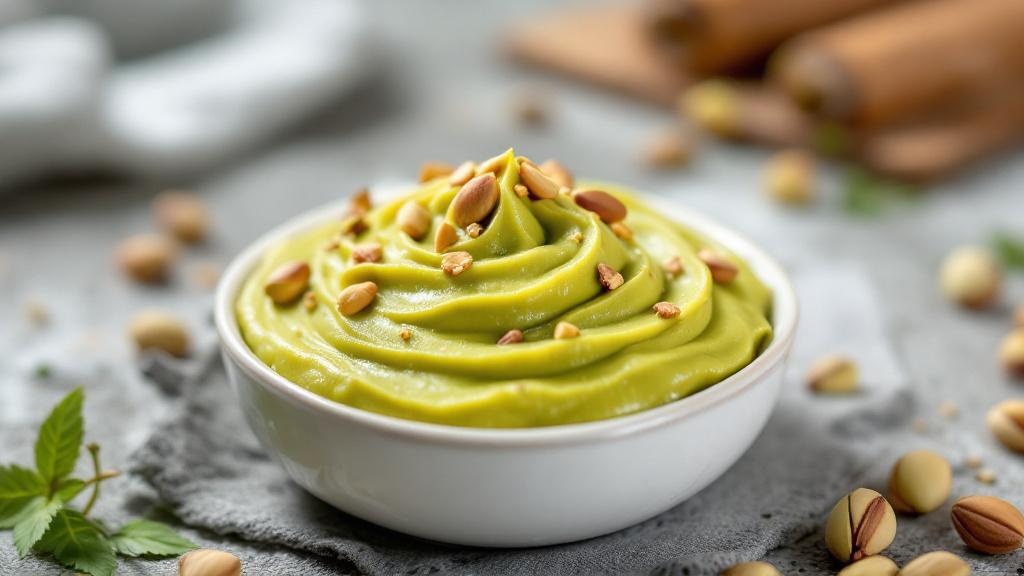
If you’ve ever tasted the rich, nutty flavor of pistachio paste, you know it’s a game-changer in the kitchen. Making it at home can ensure freshness and save you money. This article will guide you through the process of crafting your own homemade pistachio paste, sharing insider tips for the best results.
- What is Pistachio Paste?
- Ingredients Needed for Homemade Pistachio Paste
- Step-by-Step Instructions
- Tips for the Best Texture
- Creative Uses for Pistachio Paste
- Storage and Shelf Life
- Nutritional Benefits of Pistachios
- Frequently Asked Questions
- Getting Started
- Conclusion
What is Pistachio Paste?
Pistachio paste is a smooth, rich concoction made from ground pistachios. It’s used in a variety of culinary applications, from pastries and cakes to ice creams and sauces. Unlike pistachio butter, which is simply ground pistachios, pistachio paste often includes sugar and sometimes a small amount of oil to enhance its texture and sweetness.
According to culinary experts, the demand for pistachio paste has grown significantly, particularly in gourmet and specialty baking. Its unique flavor profile—both sweet and slightly savory—makes it a versatile ingredient in both desserts and savory dishes.
Ingredients Needed for Homemade Pistachio Paste
- 2 cups of raw pistachios (shelled and unsalted)
- 1/2 cup of granulated sugar
- 2 tablespoons of vegetable oil (or any neutral oil like grapeseed or sunflower)
- 1 teaspoon of almond extract (optional, for enhanced flavor)
- Pinch of salt
These ingredients are simple and you might already have most of them in your pantry. The quality of pistachios is crucial; opt for fresh, bright green nuts for the best flavor and color.
Step-by-Step Instructions
- Blanch the Pistachios: Boil water in a saucepan, add pistachios, and blanch for 3 minutes. Rinse under cold water and peel off the skins for a vibrant green paste.
- Toast the Pistachios: Preheat your oven to 350°F (175°C). Spread the peeled pistachios on a baking sheet and toast for 5-7 minutes. This enhances their nutty flavor.
- Grind the Pistachios: Place the toasted pistachios in a food processor. Pulse them until they form a fine powder.
- Mix the Ingredients: Add sugar, oil, almond extract, and salt to the food processor. Blend everything until you achieve a smooth paste. This might take 4-5 minutes of blending and scraping down the sides.
- Store the Paste: Transfer the paste to an airtight container. It can be stored in the refrigerator for up to 2 weeks.
This process requires some patience, especially during the blending stage. However, the reward is a high-quality pistachio paste that elevates any dish.
Tips for the Best Texture
Achieving the perfect texture is crucial for homemade pistachio paste. Here are some tips to ensure success:
- Use Fresh Pistachios: Freshness impacts both flavor and texture. Stale nuts can result in a paste that’s less vibrant and flavorful.
- Avoid Overheating: When toasting, keep a close eye to prevent burning, which can cause bitterness.
- Be Patient with Blending: The longer you blend, the smoother the paste. Don’t rush this step.
- Add Oil Gradually: You might not need all the oil, depending on your pistachios’ natural oil content. Add it slowly until you reach the desired consistency.
Creative Uses for Pistachio Paste
Pistachio paste is not just for desserts. Here are some innovative ways to use it:
- Bakery Items: Use it as a filling for croissants or as a flavoring in macarons.
- Ice Cream: Stir it into homemade ice cream bases for a rich, nutty flavor.
- Savory Dishes: Incorporate it into sauces for meats or as a base for a unique salad dressing.
- Smoothies: Add a spoonful to your morning smoothie for a protein boost and unique flavor.
Experimenting with pistachio paste can lead to new culinary adventures, adding a gourmet twist to everyday dishes.
Storage and Shelf Life
Proper storage is essential to maintain the quality and freshness of your homemade pistachio paste. Keep it in an airtight container to prevent moisture and odors from affecting its flavor. When refrigerated, it can last up to two weeks, retaining its vibrant taste and texture. If you notice any change in color or smell, it’s best to discard it.
Nutritional Benefits of Pistachios
Pistachios are not only delicious but also packed with nutrients. They are a great source of healthy fats, protein, and fiber. According to nutritionists, a one-ounce serving of pistachios contains about 49 kernels and provides 159 calories, 6 grams of protein, and 3 grams of fiber. This makes pistachio paste a nutritious addition to your diet, offering benefits like improved heart health and weight management.
Frequently Asked Questions
Can I use salted pistachios?
It’s best to use unsalted pistachios to control the salt content in your paste. If you only have salted, reduce the added salt in the recipe.
How long does homemade pistachio paste last?
When stored in an airtight container in the refrigerator, homemade pistachio paste can last up to two weeks.
Can I substitute another nut for pistachios?
Yes, you can substitute almonds or hazelnuts, but the flavor and color will be different.
Is it necessary to peel the pistachios?
Peeling is not strictly necessary, but it does enhance the color and smoothness of the final paste.
Can I make pistachio paste without sugar?
Yes, you can omit sugar for a more natural, savory paste, but it will alter the flavor profile.
Getting Started
Ready to make your own pistachio paste? Gather your ingredients, set aside some time, and follow the steps outlined here. With a little patience, you’ll have a homemade delight that can enhance a variety of dishes.
Conclusion
Crafting homemade pistachio paste is a rewarding endeavor, offering a fresh and flavorful ingredient for your kitchen. By following these steps and tips, you can enjoy the rich taste of pistachio paste in all your favorite recipes, from desserts to savory dishes.