









Focaccia flatbread is an Italian culinary classic that has garnered fans worldwide for its rich flavor, deliciously chewy texture, and versatility. Whether you’re a seasoned baker or a novice in the kitchen, mastering focaccia can elevate your baking repertoire. In this guide, we’ll dive into the essentials of focaccia, from its ingredients to perfect baking tips, ensuring that every attempt yields a flawless result.
- What is Focaccia Flatbread?
- Ingredients for Perfect Focaccia Flatbread
- Step-by-Step Focaccia Flatbread Recipe
- Tips for Perfecting Your Focaccia
- Health Benefits of Focaccia Flatbread
- Historical Significance of Focaccia
- Variations of Focaccia Flatbread
- Serving Suggestions and Pairings
- Common Mistakes to Avoid
- FAQs about Focaccia Flatbread
What is Focaccia Flatbread?
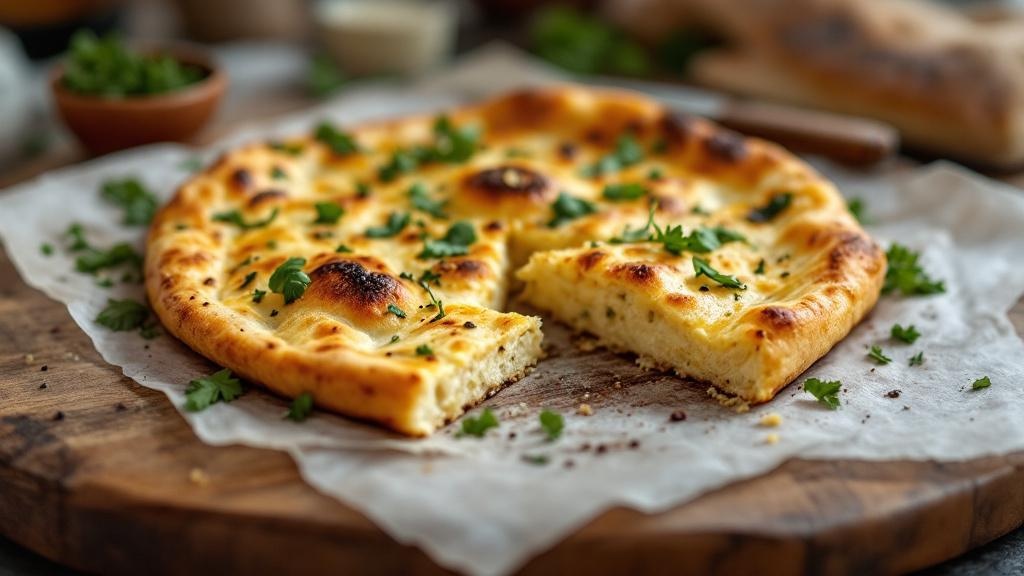
Focaccia flatbread is a traditional Italian bread known for its olive oil-rich dough and characteristic dimpled surface. Originating from the coastal regions of Italy, focaccia is often infused with herbs like rosemary and topped with ingredients like tomatoes or olives. Its texture is similar to that of pizza dough but slightly thicker and fluffier, making it an ideal accompaniment to a variety of meals.
Ingredients for Perfect Focaccia Flatbread
To make the perfect focaccia flatbread, you’ll need a few simple ingredients that come together to create complex flavors:
- Flour: Use all-purpose or bread flour for the right structure and chew.
- Yeast: Active dry yeast or instant yeast helps the dough rise.
- Water: Warm water aids in activating the yeast.
- Olive Oil: A generous amount is essential for flavor and texture.
- Salt: Enhances the overall flavor.
- Herbs: Fresh rosemary or thyme for traditional flavor.
- Toppings: Optional add-ons like cherry tomatoes, olives, or garlic.
Step-by-Step Focaccia Flatbread Recipe
Follow these steps to create homemade focaccia flatbread:
- Mix the Dough: Combine 500g of flour, 7g of yeast, 10g of salt, and 350ml of warm water. Mix until a sticky dough forms.
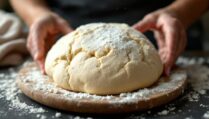
- Knead and Rise: Knead for 5-10 minutes, then place in an oiled bowl, cover, and let rise for 1-2 hours until doubled in size.
- Prepare the Pan: Generously oil a baking sheet, then spread the dough out, dimpling it with your fingers.
- Top and Proof: Drizzle with olive oil, sprinkle with herbs, and add desired toppings. Allow to proof for another 30 minutes.
- Bake: Preheat your oven to 220°C (428°F) and bake for 20-25 minutes until golden brown.
- Cool and Serve: Allow to cool slightly before slicing and serving.
Tips for Perfecting Your Focaccia
To achieve bakery-quality focaccia, consider these tips:
- Use Quality Olive Oil: The flavor of your focaccia largely depends on the olive oil, so opt for a high-quality extra virgin variety.
- Don’t Rush the Rise: Allowing the dough to rise slowly enhances flavor and texture.
- Dimpling is Key: Make deep indentations in the dough to trap pockets of oil and flavor.
- Experiment with Flavors: Try different herbs, spices, and toppings to customize your focaccia.
Health Benefits of Focaccia Flatbread
While focaccia is a treat for the taste buds, it also offers some health benefits. The olive oil used in focaccia is rich in heart-healthy monounsaturated fats, which can aid in reducing inflammation and lowering cholesterol. Additionally, the use of herbs like rosemary provides antioxidants that support overall health. However, moderation is key, as focaccia can be calorie-dense.
Historical Significance of Focaccia
Focaccia has a rich history dating back to ancient Rome, where it was known as ‘panis focacius.’ The name derives from the Latin word ‘focus,’ meaning hearth, indicating that it was traditionally baked on hot stones. Over the centuries, focaccia evolved into a staple of Italian cuisine, particularly in the Liguria region, where it’s often served as a street food. Its historical roots highlight its importance in Mediterranean culture and cuisine.
Variations of Focaccia Flatbread
Focaccia can be adapted in numerous ways to suit your palate. Here are a few variations to try:
- Rosemary and Sea Salt: A classic combination that highlights the bread’s simplicity.
- Tomato and Basil: Top with cherry tomatoes and fresh basil for a summery vibe.
- Olive and Garlic: Add sliced olives and minced garlic for a Mediterranean twist.
- Sweet Focaccia: Swap savory toppings for figs and honey for a dessert option.
Serving Suggestions and Pairings
Focaccia is incredibly versatile and pairs well with a variety of dishes. Here are some serving ideas:
- As a Sandwich Base: Slice and fill with your favorite deli meats and cheeses.
- Alongside Soups and Stews: Use it to soak up hearty broths and sauces.
- With Salads: Serve alongside a crisp salad for a balanced meal.
- As an Appetizer: Cut into small squares and serve with dips like hummus or baba ganoush.
Common Mistakes to Avoid
Even the best bakers can make mistakes. Here are common pitfalls to avoid:
- Overworking the Dough: Leads to a tough texture. Knead just until smooth.
- Underproofing: Results in dense bread. Ensure the dough doubles in size during the rise.
- Insufficient Oil: Use plenty of olive oil to achieve the characteristic flavor and texture.
- Skipping the Dimpling: Fails to capture the traditional look and flavor pockets.
FAQs about Focaccia Flatbread
What makes focaccia different from other breads?
Focaccia is distinct due to its high olive oil content and dimpled surface, which contribute to its unique texture and flavor.
Can I use whole wheat flour for focaccia?
Yes, whole wheat flour can be used, though it will result in a denser bread. You may want to mix it with all-purpose flour for a lighter texture.
How can I store leftover focaccia?
Store leftover focaccia in an airtight container at room temperature for up to two days, or freeze for longer storage.
Why is olive oil important in focaccia?
Olive oil is crucial for both the texture and flavor of focaccia, providing moisture and a rich taste.
Can focaccia be made gluten-free?
Yes, by using a gluten-free flour blend, but the texture will differ from traditional focaccia.
Getting Started
Ready to bake your own focaccia flatbread? Gather your ingredients, clear your kitchen counter, and let the aroma of freshly baked focaccia fill your home. Experiment with toppings and make this Italian classic your own. With the tips and insights provided, you’re equipped to create a masterpiece that will delight your taste buds and impress your guests.
Embark on your focaccia journey today, and enjoy the fusion of simplicity and flavor that only this beloved flatbread can offer.