











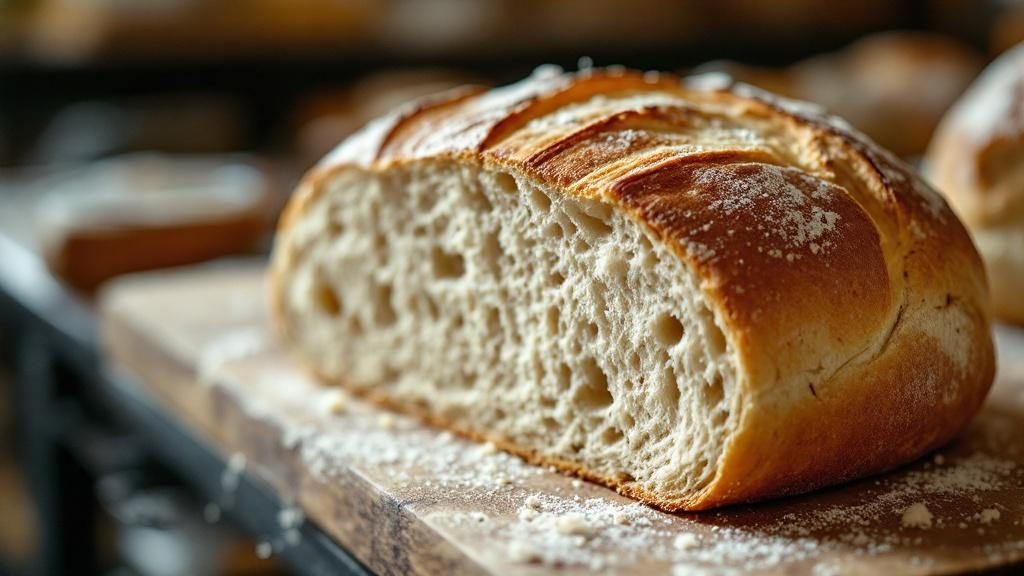
Sourdough culture is the heart and soul of creating the perfect loaf of bread. For those passionate about baking, understanding and nurturing this living organism can be both a rewarding and challenging adventure. Whether you’re a novice baker or a seasoned pro, knowing how to cultivate a robust sourdough starter is crucial to your baking success. In this article, we’ll delve into the nuances of sourdough culture, offering practical insights and expert tips to elevate your baking game.
- What is Sourdough Culture?
- Why Sourdough Culture Matters
- How to Cultivate a Healthy Sourdough Culture
- Understanding the Science Behind Fermentation
- Impact of Climate and Geography on Sourdough
- Common Mistakes in Maintaining Sourdough Culture
- Advantages and Limitations of Sourdough Culture
- Frequently Asked Questions
- Getting Started with Your Sourdough Journey
What is Sourdough Culture?
Sourdough culture refers to the symbiotic relationship between wild yeasts and lactic acid bacteria present in a mixture of flour and water. This culture is responsible for the fermentation process that gives sourdough bread its distinctive flavor and texture. Unlike commercial yeast, sourdough culture is a living entity that requires regular feeding and maintenance.
According to a study published in the Journal of Applied Microbiology, over 50 different species of yeast and bacteria can be found in sourdough cultures, contributing to its unique taste and regional variations.
Why Sourdough Culture Matters
Sourdough culture plays a crucial role in the bread-making process by naturally leavening the dough. This not only enhances the flavor but also improves the nutritional profile of the bread. The fermentation process breaks down gluten, making sourdough easier to digest than other breads.
Data from the International Journal of Food Sciences and Nutrition suggests that sourdough fermentation can increase the availability of key nutrients such as zinc and iron by up to 70%.
How to Cultivate a Healthy Sourdough Culture
To cultivate a healthy sourdough culture, start with a mixture of whole grain flour and water. Over time, the natural yeasts and bacteria will begin to ferment the mixture, creating bubbles and a tangy aroma.
Feeding Schedule
Feed your starter every 12 to 24 hours by discarding half of it and replenishing with equal parts flour and water. Consistency is key to developing a robust starter.
Temperature Considerations
Keep your sourdough culture at a stable temperature, ideally between 70°F and 75°F. This range promotes optimal yeast and bacterial activity.
Patience and Observation
Observe the changes in your starter daily. Bubbles, a rise in volume, and a pleasant sour smell indicate a healthy culture. It may take 5 to 10 days for a new starter to mature.
Understanding the Science Behind Fermentation
The science of fermentation is at the core of sourdough culture, involving a complex interaction between yeasts and bacteria to produce carbon dioxide and lactic acids.
Research shows that the lactic acid bacteria in sourdough are responsible for the bread’s sour taste and help preserve it naturally. The carbon dioxide produced by yeast leads to the bread rising, resulting in a light and airy structure.
An understanding of these processes allows bakers to manipulate variables such as hydration and temperature to influence the final flavor and texture of the bread.
Impact of Climate and Geography on Sourdough
Climate and geography play a significant role in shaping the characteristics of a sourdough starter. The local environment influences the types of yeasts and bacteria that thrive in your culture.
Bakers in different regions will find that their starters develop unique flavors based on local microbial life. For example, San Francisco sourdough is renowned for its distinct tang, attributed to the specific strains of Lactobacillus found in the region.
Understanding your local conditions can help you tailor your sourdough process for the best results, adjusting factors such as fermentation time and temperature to accommodate seasonal changes.
Common Mistakes in Maintaining Sourdough Culture
Maintaining a sourdough culture can be tricky, and even experienced bakers can make mistakes. Here are some common pitfalls:
- Inconsistent Feeding: Irregular feeding schedules can weaken your starter, causing it to lose its leavening power.
- Improper Storage: Storing your starter in a too cold or too warm environment can kill the yeast and bacteria.
- Contamination: Introducing foreign substances or water with high chlorine content can disrupt the natural balance of your culture.
Advantages and Limitations of Sourdough Culture
Like any baking method, sourdough culture has its pros and cons.
- Advantages:
- Rich in flavor and texture due to natural fermentation.
- Increased nutritional value and easier digestion.
- No need for commercial yeast, reducing dependency.
- Limitations:
- Time-consuming process requiring regular maintenance.
- Inconsistent results for beginners due to environmental factors.
- Requires precise conditions for optimal fermentation.
Frequently Asked Questions
What type of flour is best for sourdough culture?
Whole grain flours like whole wheat or rye are ideal for starting a sourdough culture due to their high nutrient content which promotes yeast and bacterial growth.
How do I know if my sourdough starter is ready to use?
Your starter is ready when it doubles in size within 4 to 6 hours after feeding, has a bubbly surface, and emits a pleasant, slightly sour aroma.
Can I use tap water for my sourdough culture?
While tap water is often fine, it’s best to use filtered water to avoid chlorine and other chemicals that can harm the natural yeasts and bacteria in your culture.
How can I revive a neglected sourdough starter?
If your starter has been neglected, discard the top layer and feed it regularly for a few days until it regains its activity and characteristic aroma.
Getting Started with Your Sourdough Journey
Embarking on your sourdough journey begins with creating your starter. Use whole grain flour and water, and be patient as it develops. Keep a consistent feeding schedule and monitor its growth and aroma. As you gain experience, experiment with different flours and hydration levels to tailor the bread to your taste. Don’t be afraid to make mistakes; each loaf is a learning opportunity.
For more guidance, consider joining a local baking group or online community. Sharing experiences and tips with fellow bakers can enhance your skills and broaden your understanding of sourdough culture. Happy baking!