










Whether you’re a seasoned baker or a novice in the kitchen, understanding how to convert fresh yeast to active dry yeast can save your baking day. Fresh yeast isn’t always accessible or convenient, but with the right conversion techniques, you can maintain the integrity of your recipes using active dry yeast. This guide will walk you through the conversion process, providing you with practical tips and insights to ensure your baked goods rise to perfection.
- Understanding Yeast Types
- Why Convert Fresh Yeast to Active Dry Yeast?
- Conversion Ratios Explained
- Step-by-Step Conversion Process
- Common Baking Scenarios
- Tips for Successful Baking with Active Dry Yeast
- Troubleshooting Yeast Issues
- Historical Perspective on Yeast Use
- Impact of Yeast on Flavor and Texture
- Exploring Other Yeast Alternatives
Understanding Yeast Types
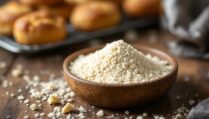
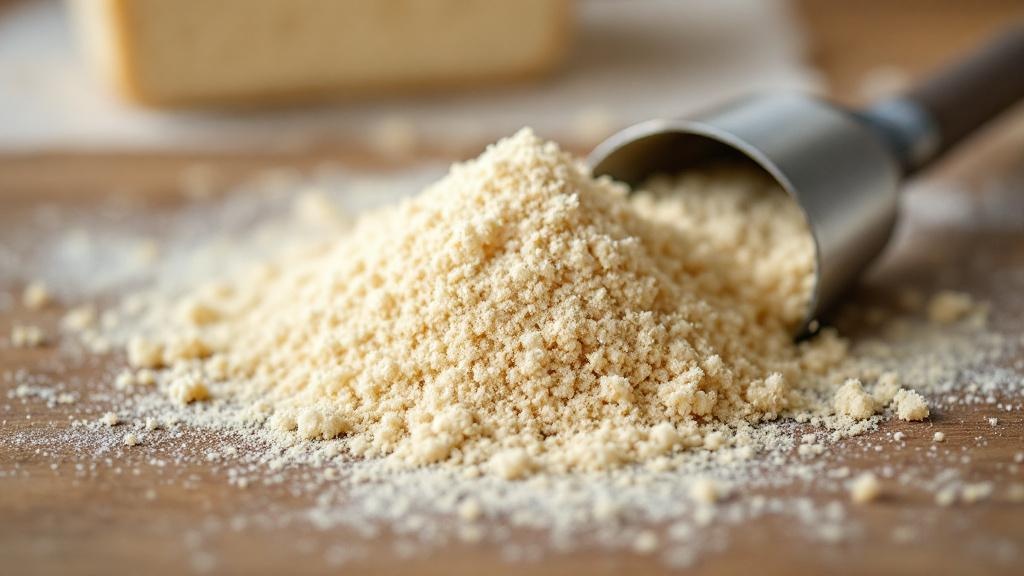
Yeast is a crucial ingredient in baking that helps dough rise, giving it volume and a soft texture. There are two main types of yeast used in baking: fresh yeast and active dry yeast. Fresh yeast, also known as cake yeast, is moist and perishable, while active dry yeast is dry, with a longer shelf life. Each type has its own characteristics and is suited for different baking needs.
Why Convert Fresh Yeast to Active Dry Yeast?
Converting fresh yeast to active dry yeast is often necessary when fresh yeast is unavailable or if you prefer the convenience of storing dry yeast. Active dry yeast is more stable and easier to store, making it a practical choice for many home bakers. It also requires less precise handling compared to fresh yeast.
Conversion Ratios Explained
Understanding the conversion ratio between fresh yeast and active dry yeast is essential for successful baking. The standard conversion is 2.5 parts fresh yeast to 1 part active dry yeast. For example, if a recipe calls for 10 grams of fresh yeast, you would use 4 grams of active dry yeast.
Step-by-Step Conversion Process
To convert fresh yeast to active dry yeast:
- Calculate the amount: Use the 2.5:1 ratio to determine the amount of active dry yeast needed.
- Activate the yeast: Dissolve the active dry yeast in warm water (110°F) to activate it. This step is crucial to ensure the yeast is alive and ready to work.
- Adjust the liquid in the recipe: Since fresh yeast contains moisture, you may need to slightly increase the liquid in your recipe when using active dry yeast.
Common Baking Scenarios
Consider these scenarios where conversion might be necessary:
- Bread baking: For a classic bread recipe calling for 30 grams of fresh yeast, use 12 grams of active dry yeast.
- Pizza dough: If your pizza dough recipe needs 20 grams of fresh yeast, use 8 grams of active dry yeast instead.
- Sweet dough: For sweet pastries requiring 50 grams of fresh yeast, substitute with 20 grams of active dry yeast.
Tips for Successful Baking with Active Dry Yeast
Baking with active dry yeast can be straightforward with the right techniques:
- Ensure freshness: Always check the expiration date on your yeast package.
- Proper activation: Activate yeast in warm water to revive it effectively.
- Adjust temperatures: Active dry yeast works best in warm environments, so ensure your kitchen is adequately warm during the proofing stage.
- Patience is key: Allow dough ample time to rise, as active dry yeast can work slower than fresh yeast.
Troubleshooting Yeast Issues
If your dough doesn’t rise as expected, consider these troubleshooting tips:
- Check yeast viability: If yeast fails to bubble during activation, it might be dead.
- Temperature control: Ensure that your water isn’t too hot, as temperatures above 120°F can kill yeast.
- Environmental factors: Cold kitchens can slow yeast activity; consider proofing dough in a slightly warmer place.
- Recipe adjustments: Sometimes, adding a pinch of sugar can help activate yeast more effectively.
Historical Perspective on Yeast Use
Yeast has been used in baking for thousands of years, with evidence of leavened bread dating back to Ancient Egypt around 3100 BC. Fresh yeast became commercially available in the 19th century, revolutionizing baking with more consistent results. The introduction of active dry yeast in the 1940s provided bakers with a more shelf-stable option, leading to its widespread use today.
Impact of Yeast on Flavor and Texture
Yeast not only leavens dough but also contributes significantly to the flavor and texture of baked goods. During fermentation, yeast breaks down sugars into alcohol and carbon dioxide, which enhances the dough’s flavor. The longer fermentation associated with active dry yeast can result in a more complex taste profile and a chewier texture, especially desirable in artisan breads.
Exploring Other Yeast Alternatives
For bakers looking to experiment, there are alternatives to traditional yeast that can be used in baking. Sourdough starter, for example, is a natural leavening agent that relies on wild yeast and bacteria to ferment dough. Alternatively, baking powder and baking soda are chemical leaveners that can provide rise in quick breads and cakes without the need for yeast fermentation.
Pros and Cons of Using Active Dry Yeast
- Pros:
- Long shelf life
- Convenient and easy to store
- Generally more stable than fresh yeast
- Cons:
- Requires activation step
- Slower rising time compared to fresh yeast
- May require recipe adjustments
Frequently Asked Questions
How do I know if my active dry yeast is still good?
Check the expiration date on the package. To test, dissolve yeast in warm water with a pinch of sugar; it should foam within 10 minutes.
Can I substitute instant yeast for active dry yeast?
Yes, you can substitute instant yeast for active dry yeast using a 1:1 ratio, but it doesn’t require activation in water before use.
What is the shelf life of active dry yeast?
Active dry yeast can last up to two years when stored in a cool, dry place. However, once opened, it’s best used within four months.
Why is my dough not rising?
Ensure your yeast is viable by testing it in warm water. Also, check that your water temperature is not too hot, and ensure your dough is proofing in a warm environment.
How can I improve the flavor of my bread using yeast?
Allowing for a longer fermentation period can enhance flavor development. Additionally, using a preferment like a poolish or a biga can add complexity to your bread’s taste.
Getting Started with Baking Using Active Dry Yeast
To begin baking with active dry yeast, start by selecting a simple bread or pizza dough recipe. Ensure you have measured your ingredients accurately and follow the conversion guidelines for substituting fresh yeast. Always remember to activate your yeast in warm water and adjust liquid as needed. With practice, you’ll master the art of using active dry yeast to create delicious baked goods.
By understanding the nuances of yeast conversion and application, you can expand your baking repertoire and enjoy the flexibility that active dry yeast offers. Embrace the process, experiment with new recipes, and let your baking skills rise to new heights!