










For many home bakers and professionals alike, dry yeast is a cornerstone of baking. Its ability to leaven bread and give baked goods their delightful texture is nothing short of magic. However, understanding what dry yeast is and how it works can elevate your baking game significantly. In this guide, we will delve into the specifics of dry yeast, its types, and how you can use it effectively in your baking endeavors.
- The Science Behind Dry Yeast
- Types of Dry Yeast
- How to Use Dry Yeast in Baking
- Storing Dry Yeast for Longevity
- Health Benefits of Dry Yeast
- Common Baking Recipes Using Dry Yeast
- Troubleshooting Dry Yeast Issues
- FAQs About Dry Yeast
The Science Behind Dry Yeast
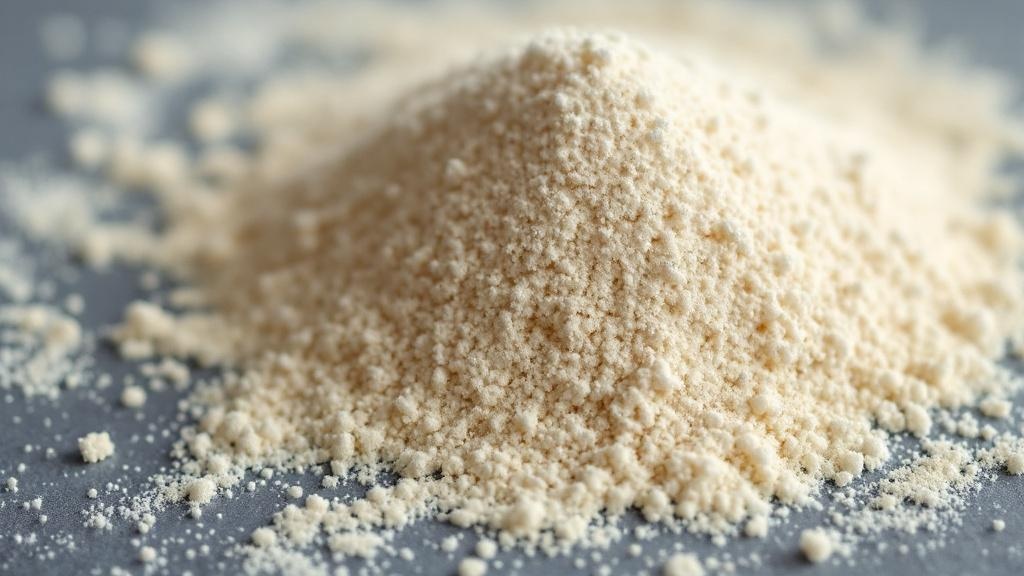
Dry yeast is a type of yeast that has been dehydrated to extend its shelf life. Yeast itself is a single-celled organism classified as a fungus, and it plays a crucial role in fermentation. When activated, yeast consumes sugars and converts them into carbon dioxide and alcohol, which helps dough rise and develop its texture.
According to data from the National Center for Biotechnology Information, yeast cells can multiply rapidly under the right conditions, which is why they are so effective in leavening bread. The dehydration process does not kill the yeast; it merely puts it into a dormant state until it is rehydrated with water.
Types of Dry Yeast
There are two main types of dry yeast: active dry yeast and instant yeast. Both serve similar functions but have distinct characteristics.
Active Dry Yeast
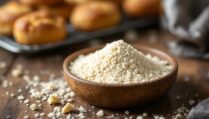
Active dry yeast requires activation in warm water before use. This type of yeast is made up of larger granules and is often used in recipes where a longer fermentation time is desired. A common mistake is using water that is too hot, which can kill the yeast; aim for water temperatures between 100°F and 110°F.
Instant Yeast
Instant yeast, also known as rapid-rise yeast, does not need to be dissolved in water and can be mixed directly with dry ingredients. It contains smaller granules and has a higher percentage of live cells, making it faster acting than active dry yeast. It’s perfect for recipes where time is of the essence.
How to Use Dry Yeast in Baking
Using dry yeast effectively can make a significant difference in your baking results. Here are some key steps:
- Check the Expiration Date: Always ensure your yeast is fresh. Expired yeast may not work effectively.
- Measure Precisely: Use the exact amount specified in your recipe. One packet of yeast typically contains about 2 1/4 teaspoons.
- Store Properly: Keep yeast in a cool, dry place. Once opened, it’s best stored in the refrigerator or freezer and used within a few months.
- Proofing: If using active dry yeast, proof it by dissolving in warm water with a pinch of sugar. If it bubbles and expands within 5-10 minutes, it’s active.
Storing Dry Yeast for Longevity
Proper storage of dry yeast is crucial to ensure it remains active and effective. According to the manufacturer guidelines, unopened dry yeast should be stored in a pantry at room temperature. However, once opened, it should be refrigerated or frozen to maintain its potency.
Best Practices for Storage:
- Store in an airtight container to prevent moisture.
- Label the container with the date it was opened.
- Use refrigerated yeast within four months and frozen yeast within six months for best results.
These practices help avoid the all-too-common issue of dead yeast, which can lead to baking failures.
Health Benefits of Dry Yeast
While primarily known for its leavening properties, dry yeast offers several health benefits. It is a rich source of B vitamins, including B1, B2, B3, and B6, which are essential for energy metabolism and maintaining a healthy nervous system. Additionally, dry yeast contains selenium and chromium, important minerals that support immune function and help regulate blood sugar levels, respectively.
Incorporating yeast into your diet via baked goods can be a delicious way to supplement these nutrients. However, it’s important to balance consumption, as baked goods can also be high in calories and sugar.
Common Baking Recipes Using Dry Yeast
Dry yeast is crucial in a variety of baking recipes. Some popular applications include:
- Bread: From sourdough to sandwich loaves, dry yeast is essential for that perfect rise.
- Pizza Dough: A staple for homemade pizza, yeast gives the dough its characteristic airy texture.
- Cinnamon Rolls: Yeast helps create that soft, fluffy interior.
- Brioche: This rich, buttery bread is another classic that relies on yeast for its texture.
Each recipe may require slight adjustments in yeast quantity or proofing time, so always follow recipe instructions closely.
Troubleshooting Dry Yeast Issues
Sometimes, things don’t go as planned in baking. Here are some common dry yeast issues and solutions:
- Dough Didn’t Rise: Ensure yeast is not expired. Check water temperature and ensure it’s within the ideal range for activation.
- Overly Yeasty Flavor: This can result from using too much yeast. Measure carefully.
- Flat Baked Goods: This might occur if the dough was not kneaded enough to develop gluten, which helps trap the gas produced by yeast.
FAQs About Dry Yeast
Is dry yeast the same as fresh yeast?
No, dry yeast is dehydrated and has a longer shelf life, while fresh yeast is moist and perishable.
Can I substitute instant yeast for active dry yeast?
Yes, you can substitute them. Use about 25% less instant yeast than active dry yeast.
How do I know if my yeast is still good?
Proof it in warm water with sugar. If it bubbles within 10 minutes, it’s active.
What happens if I add too much yeast?
Too much yeast can speed up fermentation, resulting in an overly yeasty flavor.
Can dry yeast spoil?
Yes, especially if not stored properly. Always check expiration dates and store it in a cool, dry place.
Getting Started with Dry Yeast
Now that you’re equipped with the knowledge of what dry yeast is and how to use it, it’s time to get baking. Start by selecting a simple recipe like bread or pizza dough to practice. Remember to follow the instructions carefully and pay attention to the details of proofing and baking. Happy baking!