










By FoolProofBaking · 2026-06-03 · 5 min read
When it comes to baking, the type of yeast you choose can significantly impact the texture and flavor of your bread or pastry. As a passionate home baker, I’ve often grappled with the choice between instant yeast and fresh yeast. While both serve the same primary function—to leaven our baked goods—they each bring unique characteristics to the table. In this guide, I’ll break down what you need to know about these two yeast types, including their differences, uses, and tips for successful baking.
- What is Instant Yeast?
- What is Fresh Yeast?
- Key Differences Between Instant and Fresh Yeast
- When to Use Instant Yeast
- When to Use Fresh Yeast
- Tips for Substituting Yeast Types
- Common Baking Mistakes with Yeast
- Conclusion: Choosing the Right Yeast for Your Recipe
What is Instant Yeast?
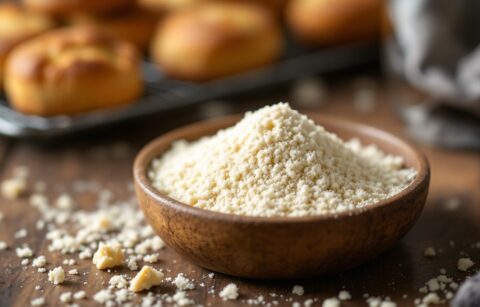
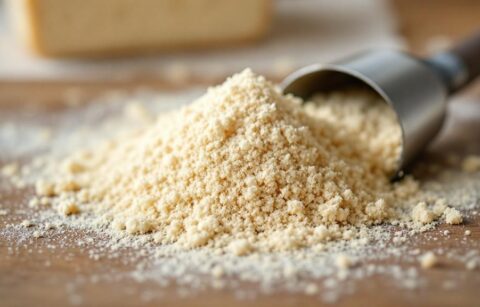
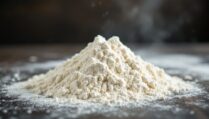
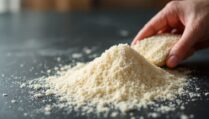
Instant yeast, also known as rapid-rise or quick-rise yeast, is a type of dry yeast that doesn’t require proofing before use. It’s finely granulated and designed to dissolve quickly in dough, allowing for faster fermentation. Typically, you can add it directly to your flour mixture without activating it in water first. Instant yeast is highly active, and you can often find it labeled with a specific brand name, such as SAF Instant Yeast.
What is Fresh Yeast?
Fresh yeast, also known as cake yeast or compressed yeast, is a living organism in a moist cake form. It has a short shelf life, usually around two weeks when refrigerated. Fresh yeast is often favored by professional bakers for its reliable fermentation properties and its ability to produce a distinct flavor and aroma in bread. It’s typically sold in small cake-like blocks and requires proofing in warm water with a bit of sugar to activate it before incorporating it into your dough.
Key Differences Between Instant and Fresh Yeast
Understanding the differences between instant and fresh yeast can help you choose the right one for your baking needs. Here are the key distinctions:
| Feature | Instant Yeast | Fresh Yeast |
|---|---|---|
| Form | Dry granules | Moist cake |
| Activation | No proofing needed | Requires proofing |
| Shelf Life | 1-2 years in a dry place | 2-3 weeks in the fridge |
| Flavor | Neutral | Rich and slightly sweet |
| Usage Amount | 1:1 with active dry yeast | Use about 2-3 times more than instant yeast |
When to Use Instant Yeast
Instant yeast is perfect for quick breads, pizza dough, and any recipe where you want to save time. Since it doesn’t require proofing, you can mix it directly with your dry ingredients, significantly speeding up the process. Additionally, recipes that involve multiple rises, such as sourdough or enriched doughs, benefit from instant yeast’s rapid fermentation capabilities.
When to Use Fresh Yeast
Fresh yeast shines in recipes that rely on traditional methods, such as artisan breads and pastries. It’s excellent for long fermentation processes, as it develops a complex flavor profile. If you’re making classic baguettes or croissants, fresh yeast can enhance the texture and taste. Just remember to proof it first for optimal results!
Tips for Substituting Yeast Types
Switching between instant and fresh yeast isn’t complicated, but it does require some adjustments:
- For instant yeast to fresh yeast: Use about 2-3 times the amount of fresh yeast. For instance, if a recipe calls for 1 teaspoon of instant yeast, you’ll need about 2-3 teaspoons of fresh yeast.
- For fresh yeast to instant yeast: Use about one-third the amount of instant yeast. So, if your recipe requires 15 grams of fresh yeast, you’ll only need about 5 grams of instant yeast.
- Always adjust your liquid ingredients when switching yeast types to account for the moisture in fresh yeast.
Common Baking Mistakes with Yeast
Even seasoned bakers make mistakes with yeast. Here are some common issues to watch out for:
- Not checking yeast freshness: Always ensure your yeast is within its expiration date for optimal activity.
- Incorrect water temperature: Using water that’s too hot can kill the yeast. Aim for about 110°F (43°C) for instant yeast and 100°F (38°C) for fresh yeast.
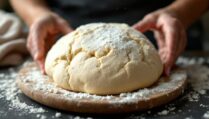
- Over-proofing dough: If your dough rises too long, it can collapse. Keep an eye on it and use the “poke test” to check readiness.
Conclusion: Choosing the Right Yeast for Your Recipe
Ultimately, whether you opt for instant yeast or fresh yeast depends on your personal preference and the type of recipe you’re tackling. Each has its strengths and applications, so experimenting with both can enhance your baking skills. If you’re looking for speed, instant yeast is your go-to. For traditional flavors and textures, fresh yeast is unbeatable. Happy baking!
Frequently Asked Questions
Can I use instant yeast instead of fresh yeast in my recipe?
Yes, you can substitute instant yeast for fresh yeast. Use about one-third of the amount called for in fresh yeast, and adjust your liquid ingredients accordingly.
How long can I store fresh yeast?
Fresh yeast typically lasts about 2-3 weeks when stored in the refrigerator. Make sure to check the expiration date before use.
Does instant yeast need to be proofed?
No, instant yeast does not require proofing. You can add it directly to your dry ingredients for faster results.
What happens if I use expired yeast?
Using expired yeast can result in inadequate rising and dense baked goods. Always check the freshness of your yeast before starting a recipe.
Can I freeze fresh yeast?
Yes, fresh yeast can be frozen for up to 6 months. Just make sure to wrap it tightly to prevent freezer burn.
What is the best temperature for activating yeast?
The ideal temperature for activating yeast is around 100°F (38°C) for fresh yeast and 110°F (43°C) for instant yeast. Too hot can kill the yeast, while too cold may not activate it effectively.