










By FoolProofBaking · 2026-06-10 · 5 min read
When it comes to baking, yeast is the unsung hero, transforming mere ingredients into delicious bread, pastries, and pizzas. However, the choice between fresh yeast and active dry yeast can often leave bakers confused. Each type of yeast has its unique properties, advantages, and best uses, which can significantly affect your baking results. In this article, I’ll break down the key differences and help you determine which yeast is best for your next baking adventure.
- What is Fresh Yeast?
- What is Active Dry Yeast?
- Key Differences Between Fresh Yeast and Active Dry Yeast
- When to Use Fresh Yeast and Active Dry Yeast
- Baking Tips for Using Yeast
- Conclusion: Choosing the Right Yeast for Your Recipe
What is Fresh Yeast?
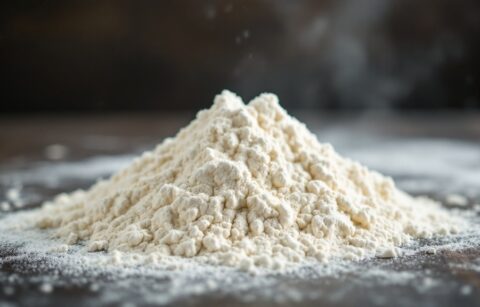
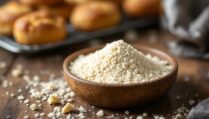
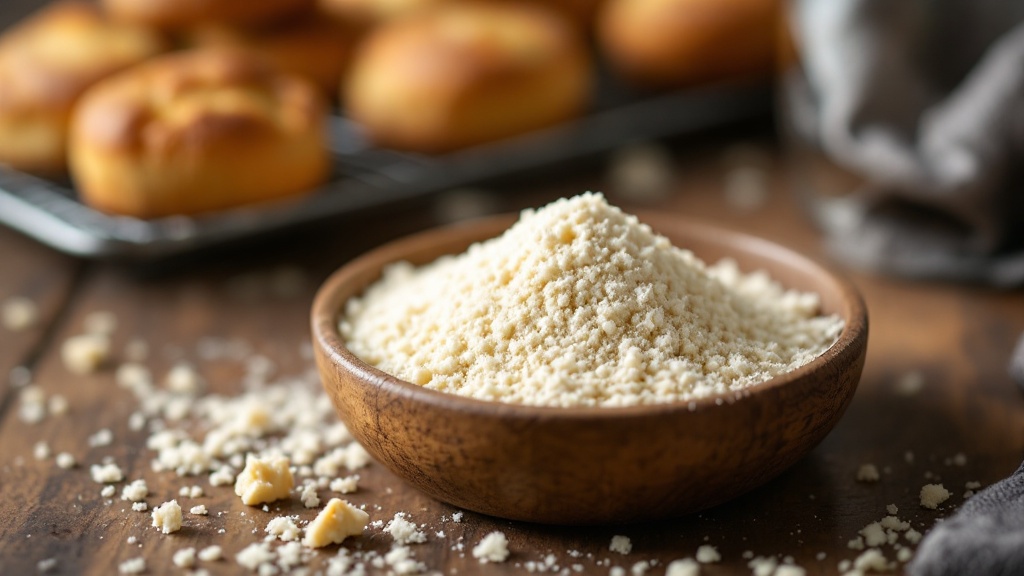
Fresh yeast, also known as cake yeast or compressed yeast, is a living organism that comes in a moist, crumbly form. Typically sold in small blocks, this yeast is packed with moisture and contains about 70% water. It has a shelf life of about two weeks when refrigerated and needs to be stored in the cold to maintain its potency. Fresh yeast is popular among professional bakers due to its fast fermentation and rich flavor. It’s especially favored for making enriched doughs, such as brioche and bagels.
What is Active Dry Yeast?
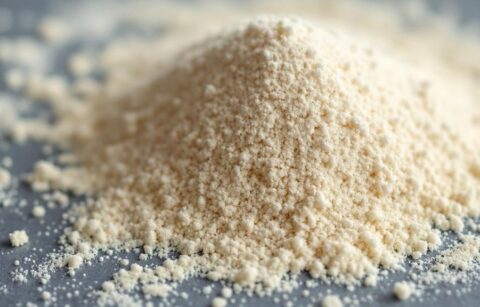
Active dry yeast is a dehydrated form of yeast that comes in granules. This type is more shelf-stable than fresh yeast and can last for months when stored in a cool, dry place. Before using active dry yeast, it’s crucial to rehydrate it in warm water (between 100°F and 110°F) to wake it up, a process known as proofing. Active dry yeast is versatile and can be used in a variety of bread and pastry recipes, making it a staple in many home bakers’ pantries.
Key Differences Between Fresh Yeast and Active Dry Yeast
Understanding the differences between fresh yeast and active dry yeast can help you choose the right one for your baking needs. Here’s a comparison:
| Feature | Fresh Yeast | Active Dry Yeast |
|---|---|---|
| Form | Moist, crumbly | Granulated, dehydrated |
| Moisture Content | About 70% | Less than 10% |
| Shelf Life | 2 weeks (refrigerated) | 6-12 months (dry, room temperature) |
| Activation | No need to proof | Requires proofing in warm water |
| Flavor | Rich, malty flavor | Neutral flavor |
| Best Uses | Enriched doughs, artisan breads | General baking, bread, pastries |
When to Use Fresh Yeast and Active Dry Yeast
The choice of yeast depends largely on the recipe and your personal preferences. Here are some guidelines on when to use each type:
- Fresh Yeast: Ideal for recipes requiring a fast rise, such as brioche or bagels, where the depth of flavor is crucial. Use it when you have it on hand, as its short shelf life means you’ll want to use it quickly.
- Active Dry Yeast: A versatile option for most baking needs. It’s perfect for beginner bakers since it can be stored longer and is readily available in grocery stores. Use this yeast when making traditional bread, rolls, or pizzas.
Baking Tips for Using Yeast
Here are some practical tips to ensure your yeast-based baking is a success:
- Proofing: Always proof active dry yeast in warm water (not boiling!) to ensure it’s alive. If it doesn’t foam within 5-10 minutes, you may need to start over with fresh yeast.
- Temperature: Yeast thrives in warm environments. Keeping your dough in a warm, draft-free area will help it rise better.
- Freshness Check: If you’re unsure about your yeast’s potency, do a quick freshness test before using it. Mix a teaspoon of yeast with sugar and warm water. If it bubbles within 10 minutes, it’s good to go!
- Storing: Store fresh yeast in the refrigerator and use it within two weeks. Active dry yeast should be kept in a cool, dark place. Once opened, it’s best to keep it in the fridge or freezer to prolong its shelf life.
Conclusion: Choosing the Right Yeast for Your Recipe
Your choice between fresh yeast and active dry yeast ultimately depends on the recipe you’re following and personal preference. Both have their unique advantages and can yield delicious results if used correctly. If you want that rich, complex flavor and are baking something special, fresh yeast is your best bet. However, if convenience and versatility are your top priorities, active dry yeast is a fantastic choice. Whichever you choose, understanding how to use yeast properly will elevate your baking game significantly.
Happy baking!
Frequently Asked Questions
Can I substitute active dry yeast for fresh yeast?
Yes, you can substitute active dry yeast for fresh yeast. The general rule of thumb is to use about one-third the amount of active dry yeast as fresh yeast. For example, if a recipe calls for 30 grams of fresh yeast, use approximately 10 grams of active dry yeast.
How do I know if my yeast is still good?
You can check the freshness of your yeast by proofing it in warm water with a little sugar. If it bubbles and foams within 10 minutes, it’s still active. If not, it’s time to replace it.
What happens if I use too much yeast?
Using too much yeast can cause your dough to rise too quickly, resulting in a coarse texture and an unpleasant flavor. It can also lead to excess carbon dioxide, causing the dough to collapse.
Can I use fresh yeast for quick breads?
While fresh yeast can be used for quick breads, it’s not necessary since quick breads rely on baking powder or baking soda for leavening. Fresh yeast is best suited for yeast-leavened breads.
Why does fresh yeast need to be refrigerated?
Fresh yeast is a living organism that requires a cool environment to remain active. Refrigeration slows down its metabolism and prolongs its shelf life, whereas room temperature can cause it to spoil quickly.
Can I freeze my active dry yeast?
Yes, you can freeze active dry yeast to extend its shelf life. Just be sure to keep it in an airtight container to prevent moisture from getting in. When ready to use, you can add it directly to your dry ingredients.