











For bakers, understanding the nuances of yeast is crucial to achieving the perfect loaf or pastry. Whether you’re a home baker or a professional, you’ve likely encountered the need to convert fresh yeast to instant yeast. This switch isn’t just about convenience; it’s about consistency, shelf life, and availability. Let’s dive into this conversion process and equip you with the knowledge to make the right choice for your baking needs.
- Understanding Yeast Types
- Why Convert Fresh Yeast to Instant Yeast?
- Conversion Ratios Explained
- Step-by-Step Conversion Process
- Tips for Successful Baking with Instant Yeast
- Common Baking Mistakes to Avoid
- Exploring Yeast Alternatives
- Understanding Yeast Activation
- Conclusion: Baking Success Awaits
Understanding Yeast Types
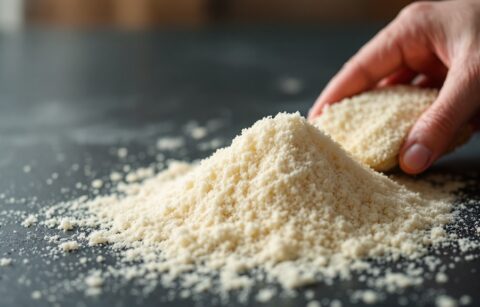
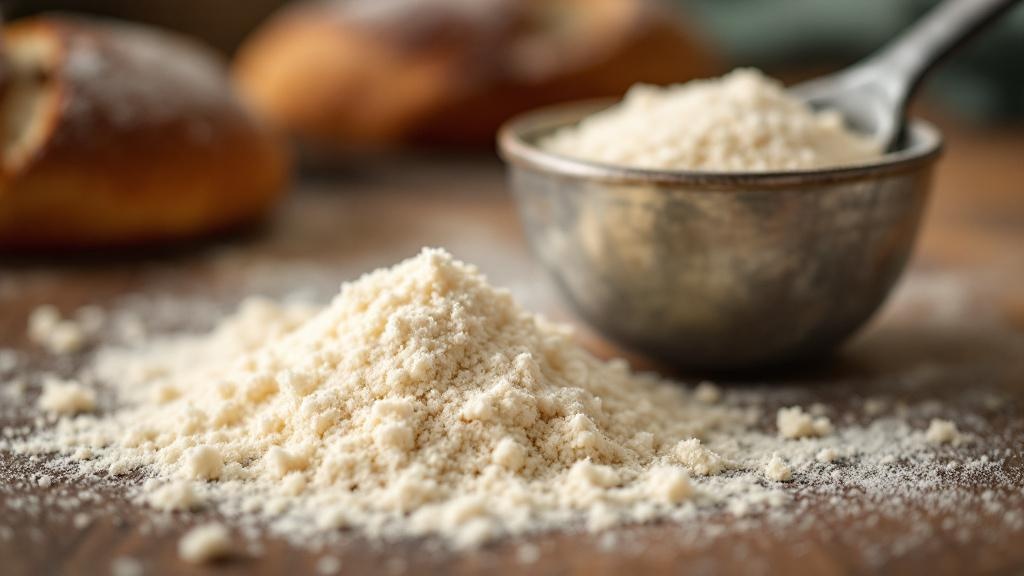
Yeast is a leavening agent that plays a pivotal role in baking. There are primarily three types of yeast used in baking: fresh yeast, active dry yeast, and instant yeast. Fresh yeast, also known as cake yeast, is moist and highly perishable. It requires refrigeration and has a short shelf life. Instant yeast, on the other hand, is dried and granulated, offering a longer shelf life and convenience without the need for proofing before use.
Why Convert Fresh Yeast to Instant Yeast?
Converting fresh yeast to instant yeast is a common practice among bakers for several reasons. Fresh yeast can be difficult to find and is less stable over time, making it less reliable for infrequent bakers. Instant yeast, however, provides consistency and ease of use. According to industry data, over 70% of home bakers prefer instant yeast due to its long shelf life and no required proofing.
Conversion Ratios Explained
The conversion between fresh yeast and instant yeast is crucial for maintaining the integrity of your recipes. The standard conversion ratio is that 7 grams of fresh yeast equals approximately 2.25 grams of instant yeast. This means if a recipe calls for 21 grams of fresh yeast, you would use about 7 grams of instant yeast.
Step-by-Step Conversion Process
Converting fresh yeast to instant yeast involves a straightforward calculation and adjustment in the baking process:
- Calculate the equivalent amount: Use the conversion ratio of 3:1 (fresh to instant) to determine the amount of instant yeast needed.
- Mix with dry ingredients: Unlike fresh yeast, instant yeast can be added directly to the dry ingredients.
- Adjust the liquid content: Since fresh yeast contains moisture, slightly increase the liquid in your recipe when using instant yeast.
- Monitor rising times: Instant yeast acts faster than fresh yeast, so keep an eye on dough rise times to prevent overproofing.
Tips for Successful Baking with Instant Yeast
To ensure success with instant yeast, consider the following tips:
- Check expiration dates: Even though instant yeast has a long shelf life, expired yeast may not activate properly.
- Store correctly: Keep your yeast in an airtight container in a cool, dry place.
- Mind the temperature: Use warm (not hot) liquids to activate the yeast, around 120°F to 130°F for best results.
- Understand the recipe: Some recipes may still benefit from a brief proofing period to ensure yeast activity, even with instant yeast.
Common Baking Mistakes to Avoid
- Incorrect yeast measurement: Ensure accurate conversion to avoid affecting dough texture and rise.
- Overproofing: Instant yeast works faster, so closely monitor rising times to prevent overproofed dough.
- Ignoring temperature: Yeast is sensitive to temperature; too hot can kill it, while too cold can slow it down.
- Skipping the salt: Salt strengthens gluten structure and controls yeast activity, so do not omit it.
Exploring Yeast Alternatives
While yeast is a staple in bread-making, there are alternatives for those with dietary restrictions or preferences. Sourdough starters are a popular alternative, providing a natural leavening option that relies on wild yeast and bacteria. Additionally, baking powder and baking soda can be used for quick breads that do not require fermentation time.
Understanding Yeast Activation
Activation is a crucial step in using yeast effectively. Although instant yeast does not require proofing, understanding how yeast activates can enhance your baking. Yeast becomes active when exposed to moisture and warmth, starting the fermentation process. This produces carbon dioxide, which causes dough to rise. Ensuring your ingredients are at the right temperature can greatly affect the yeast’s performance.
Conclusion: Baking Success Awaits
Switching from fresh yeast to instant yeast can transform your baking experience by offering convenience and consistency. With the right conversion knowledge and baking tips, you’ll harness the power of yeast to create delightful breads and pastries every time. Embrace the flexibility instant yeast provides and elevate your baking game with ease.
Advantages and Limitations
- Advantages of Instant Yeast:
- Longer shelf life than fresh yeast
- No need for proofing
- Consistent results
- Limitations of Instant Yeast:
- Requires precise measurement
- May need recipe adjustments for moisture
Frequently Asked Questions
What is the conversion ratio from fresh yeast to instant yeast?
The conversion ratio is approximately 3:1, meaning 7 grams of fresh yeast is equivalent to about 2.25 grams of instant yeast.
Can I substitute instant yeast for fresh yeast in any recipe?
Yes, you can substitute, but it requires adjusting the quantity and potentially the liquid content in the recipe.
Why does instant yeast not need proofing?
Instant yeast has smaller granules and more live cells than active dry yeast, allowing it to dissolve directly with dry ingredients.
What are the storage recommendations for instant yeast?
Store instant yeast in an airtight container in a cool, dry place to maintain its potency over time.
Can I use baking powder instead of yeast in bread recipes?
Baking powder can be used for quick breads, but it does not provide the same flavor and texture as yeast in traditional bread.
Getting Started with Instant Yeast
To begin using instant yeast effectively, start by purchasing a high-quality product from a trusted brand. Measure accurately using a scale for precision, and practice with simple recipes to become familiar with its rising times and effects. As you gain confidence, experiment with more complex recipes to fully explore its potential in your baking endeavors.