










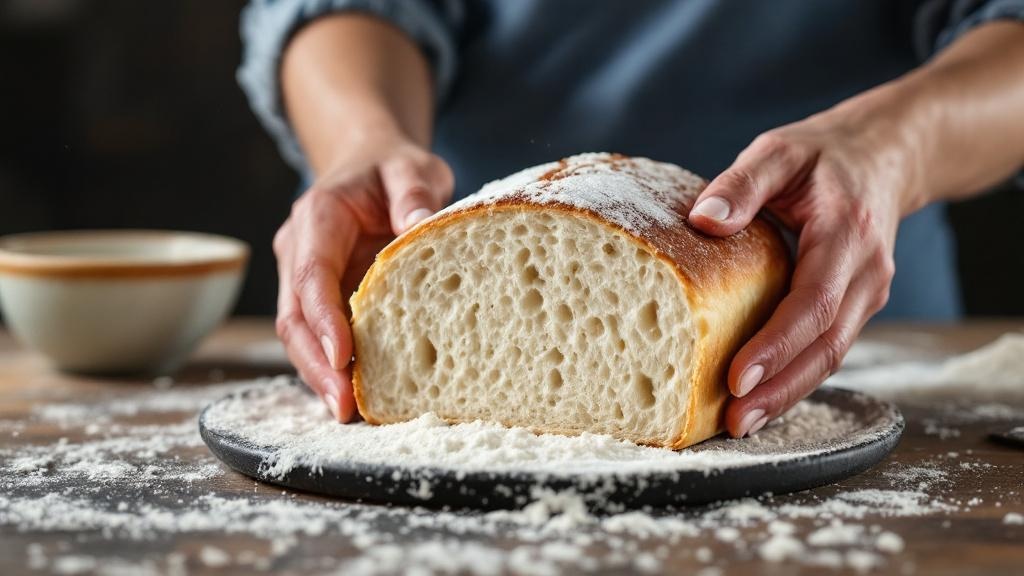
When it comes to baking bread, many home bakers wonder if they can substitute self-rising flour for more traditional bread flours. The prospect of not needing to measure out additional ingredients like salt and leavening is appealing. But can you use self-rising flour for bread? Let’s delve into the specifics to ensure your bread baking endeavors are foolproof.
- Understanding Self-Rising Flour
- How Self-Rising Flour Affects Bread Texture
- Recipes Using Self-Rising Flour for Bread
- Tips for Successful Bread Baking with Self-Rising Flour
- Alternatives to Self-Rising Flour for Bread
- Nutritional Comparison of Flour Types
- Role of Yeast in Traditional Bread
- Conclusion: Should You Use Self-Rising Flour for Your Bread?
Understanding Self-Rising Flour
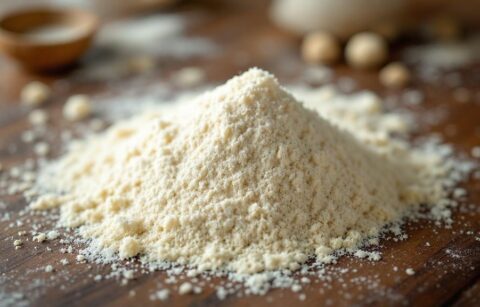
Self-rising flour is a combination of all-purpose flour, baking powder, and salt. Traditionally used in quick breads, biscuits, and pancakes, it provides a convenient shortcut for recipes that require these three components. Each cup of self-rising flour contains about 1 1/2 teaspoons of baking powder and 1/4 teaspoon of salt. This pre-mixed quality can simplify some baking processes but comes with its own set of challenges when used for yeast breads.
How Self-Rising Flour Affects Bread Texture
Using self-rising flour for bread can significantly affect the texture and rise of the final product. The built-in leavening agent, baking powder, is a chemical leavener, while bread typically relies on yeast for leavening. This difference can lead to a denser bread with less chewiness, as the yeast not only helps with rise but also contributes to flavor and texture development. With self-rising flour, you might find your bread lacks the airy structure and complex flavors that yeast provides over time.
Recipes Using Self-Rising Flour for Bread
While traditional yeast breads may not be ideal for self-rising flour, some recipes can adapt. Consider recipes like flatbreads or soda breads, where the rise is less critical. For instance, a quick focaccia can be made using self-rising flour by simply mixing with water and olive oil, then baking at 425°F (218°C) until golden. This creates a quick and easy bread alternative, though not a traditional loaf.
Tips for Successful Bread Baking with Self-Rising Flour
To bake successfully with self-rising flour, keep a few tips in mind:
- Adjust recipes: Reduce or eliminate additional salt and baking powder if the original recipe calls for them.
- Choose the right recipes: Opt for quick breads or those that traditionally do not rely on yeast.
- Monitor baking time: Self-rising flour may cause bread to brown faster due to the baking powder, so keep an eye on your bake.
- Mix minimally: Over-mixing can develop gluten excessively, leading to tougher bread.
Alternatives to Self-Rising Flour for Bread
If you find self-rising flour isn’t providing the results you desire, consider alternatives:
- Bread flour: Higher in protein, it supports better gluten development for a chewy texture.
- All-purpose flour: While not as high in protein as bread flour, it’s a versatile option.
- Whole wheat flour: Adds fiber and nutrients, though it might require added gluten for structure.
Nutritional Comparison of Flour Types
Understanding the nutritional differences between flour types can guide your baking choices. Bread flour typically contains higher protein levels, around 12-14%, compared to 10-12% in all-purpose flour, contributing to better gluten development. Whole wheat flour is higher in fiber and nutrients, providing about 6.4 grams of fiber per cup versus 3 grams in white flour. These differences can affect not just the texture, but also the nutritional profile of your bread.
Role of Yeast in Traditional Bread
Yeast plays a critical role in traditional bread baking. It is responsible for the bread’s rise, flavor, and texture. Yeast ferments the sugars present in the flour, producing carbon dioxide gas that causes the dough to expand. This fermentation process also contributes to the development of complex flavors that are characteristic of traditional bread. Without yeast, bread lacks the same airy structure and depth of taste.
Conclusion: Should You Use Self-Rising Flour for Your Bread?
In conclusion, while you can use self-rising flour for bread, it’s important to understand the limitations and adjust your expectations accordingly. It works best in quick breads and specific recipes where yeast is not the primary leavening agent. For traditional yeast bread lovers, sticking to bread or all-purpose flour will likely yield more satisfying results.