






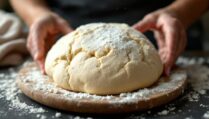


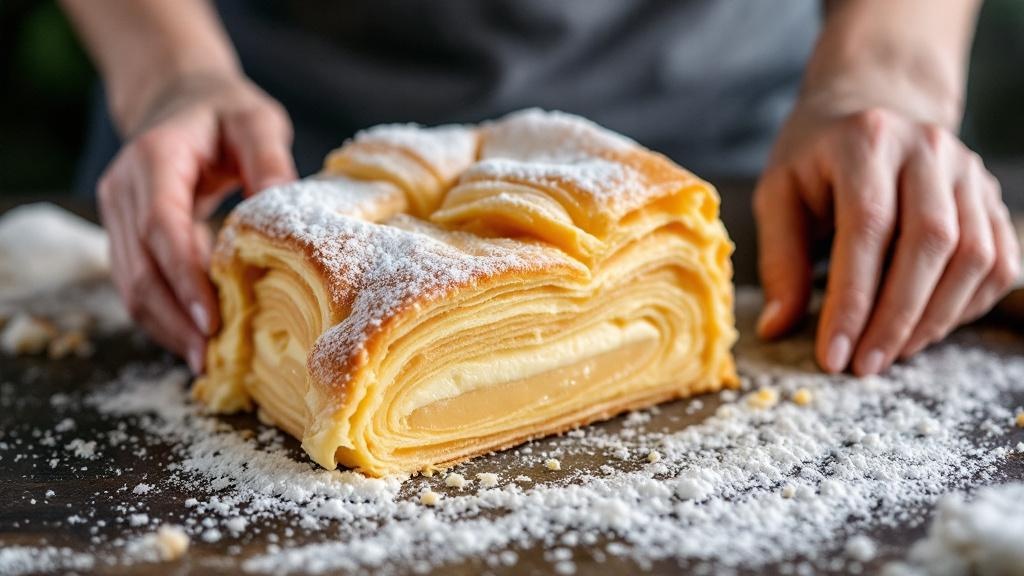
Pâte sucrée, the sweet pastry dough, is a cornerstone of French baking, offering a tender, buttery base for tarts and desserts. Yet, it can be elusive for home bakers looking to achieve professional results. This guide aims to demystify pâte sucrée, providing practical tips and insights to help you perfect this essential pastry. By understanding its nuances, you can elevate your baking prowess and create stunning desserts with confidence.
- What is Pâte Sucrée?
- How Does Pâte Sucrée Differ from Other Pastry Doughs?
- Essential Tips for Making Perfect Pâte Sucrée
- Common Mistakes and How to Avoid Them
- Versatile Uses of Pâte Sucrée
- The Historical Significance of Pâte Sucrée
- Pâte Sucrée in Modern Pastry Schools
- Pros and Cons of Using Pâte Sucrée
- Frequently Asked Questions
- Getting Started with Pâte Sucrée
What is Pâte Sucrée?
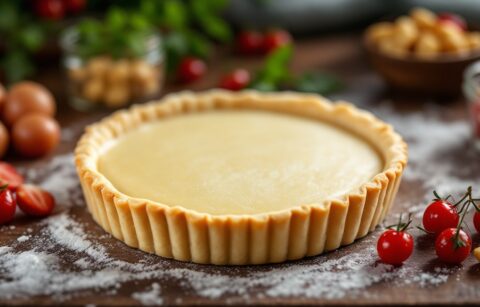
Pâte sucrée is a type of French sweet pastry dough known for its rich, buttery flavor and tender crumb. It is commonly used as a base for tarts and other desserts. Unlike other pastry doughs, pâte sucrée is sweetened with sugar, giving it a distinct texture and flavor that complements a variety of fillings.
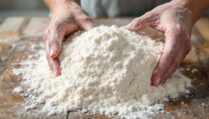
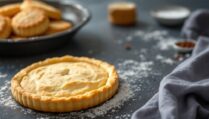
Traditionally, pâte sucrée is made with a combination of flour, butter, sugar, and eggs. The inclusion of sugar not only adds sweetness but also affects the dough’s structure, making it less elastic than pâte brisée, another popular French pastry dough. This lack of elasticity helps pâte sucrée maintain its shape during baking, resulting in crisp, well-defined tart shells.
How Does Pâte Sucrée Differ from Other Pastry Doughs?
Pâte sucrée stands out from other pastry doughs primarily due to its sweetness and texture. Compared to pâte brisée, which is unsweetened and used for savory dishes, pâte sucrée is much sweeter and delicate. Another key difference is the method of preparation. While pâte brisée relies on cold butter to create flakiness, pâte sucrée uses softened butter to achieve a more cohesive and tender crumb.
| Pastry Dough | Key Ingredients | Texture | Common Uses |
|---|---|---|---|
| Pâte Sucrée | Flour, butter, sugar, eggs | Sweet, tender | Tarts, sweet pastries |
| Pâte Brisée | Flour, butter, water | Flaky, crisp | Quiches, savory pies |
| Pâte Sablée | Flour, butter, sugar, yolks | Sandy, crumbly | Cookies, shortbread |
Essential Tips for Making Perfect Pâte Sucrée
Achieving the perfect pâte sucrée requires attention to detail and technique. Here are some essential tips:
- Use high-quality ingredients: Opt for unsalted butter and superfine sugar to ensure a smooth texture.
- Keep ingredients cool: Although pâte sucrée uses softened butter, chilling the dough before rolling helps maintain its shape.
- Avoid overworking the dough: Mix just until combined to prevent a tough crust.
- Roll gently: Use a light touch to prevent tearing, and aim for a uniform thickness of about 1/8 inch.
- Prick the crust: Lightly prick the base with a fork to prevent puffing during baking.
Common Mistakes and How to Avoid Them
Even experienced bakers can encounter issues when making pâte sucrée. Here are common mistakes and how to avoid them:
- Overmixing: Overworking the dough can develop gluten, leading to a tough crust. Mix only until ingredients are combined.
- Warm ingredients: If ingredients are too warm, the dough can become greasy and hard to handle. Chill ingredients and equipment when necessary.
- Skipping chilling: Not chilling the dough can cause it to shrink or lose shape during baking. Always refrigerate before baking.
- Uneven rolling: An unevenly rolled dough leads to inconsistent baking. Roll the dough evenly and check thickness with a ruler.
Versatile Uses of Pâte Sucrée
Pâte sucrée’s sweet flavor and tender texture make it ideal for a variety of desserts beyond the classic tart. Here are some creative uses:
- Fruit Tarts: Pair with seasonal fruits and pastry cream for a classic French dessert.
- Chocolate Ganache Tarts: Fill with rich chocolate ganache for a decadent treat.
- Mini Tartlets: Create bite-sized versions with various fillings for a dessert platter.
The Historical Significance of Pâte Sucrée
Pâte sucrée holds a rich history in French pastry, tracing back to the 16th century. It evolved as French bakers began to experiment with sugar, which was then a precious commodity. The development of pâte sucrée marked a significant shift in pastry making, as it allowed bakers to explore new textures and flavors. This sweet dough became a staple in royal kitchens, often used to create elaborate desserts served at lavish banquets.
Throughout the centuries, pâte sucrée has maintained its prestige, continuing to be a favored choice for creating elegant and refined desserts. Its historical roots underscore its importance in French culinary tradition and its enduring appeal in contemporary baking.
Pâte Sucrée in Modern Pastry Schools
Today, pâte sucrée is a fundamental component of the curriculum in pastry schools around the world. Aspiring pastry chefs learn to master pâte sucrée early in their training, as it forms the basis for many classic and modern desserts. The technique of making pâte sucrée is taught alongside other essential pastry skills, such as pâte brisée and pâte feuilletée.
In these programs, students are encouraged to innovate and create their own unique variations of classics using pâte sucrée. This hands-on experience helps them understand the role of each ingredient and the science behind the dough’s texture and flavor. Graduates often credit their mastery of pâte sucrée as a key skill that enhances their professional repertoire.
Pros and Cons of Using Pâte Sucrée
Like any technique, using pâte sucrée has its advantages and limitations:
- Pros:
- Provides a sweet, buttery base perfect for desserts.
- Maintains shape well during baking, offering a crisp shell.
- Versatile for a variety of sweet fillings.
- Cons:
- Requires careful handling to avoid overmixing.
- May become too crumbly if not properly chilled.
- Sweeter taste may not be suitable for savory applications.
Frequently Asked Questions
What is the best way to store pâte sucrée?
After forming the dough, wrap it tightly in plastic wrap and refrigerate for up to 2 days. For longer storage, freeze the dough for up to 3 months.
Can I substitute whole wheat flour in pâte sucrée?
Yes, but it will alter the texture and flavor. Whole wheat flour can give a nuttier taste and denser texture, so use it sparingly.
Why is my pâte sucrée dough so crumbly?
If your dough is too crumbly, it may be due to insufficient moisture. Try adding a small amount of milk or water to help bind the dough.
How can I prevent my pâte sucrée from shrinking during baking?
Ensure the dough is well-chilled before baking and avoid overworking it. Blind baking with weights can also help it maintain its shape.
Is pâte sucrée suitable for blind baking?
Yes, pâte sucrée is excellent for blind baking. Use pie weights to maintain the shape and prevent puffing.
Getting Started with Pâte Sucrée
To begin your journey with pâte sucrée, start by gathering high-quality ingredients: flour, butter, sugar, and eggs. Follow a trusted recipe and pay attention to technique, especially regarding chilling and rolling. Practice makes perfect, so don’t hesitate to try different fillings and shapes as you become more confident with the dough. Remember, each attempt at mastering pâte sucrée brings you closer to creating exquisite French pastries right in your kitchen.
With these insights and tips, you’re well-equipped to tackle pâte sucrée. Embrace the process, and enjoy the sweet rewards of your efforts.