










In the world of baking, the type of yeast you use can significantly impact the outcome of your bread or pastries. Choosing between fresh yeast and instant yeast can be daunting for both novice and experienced bakers. Understanding the differences and best uses for each type can elevate your baking to new heights.
- Understanding Yeast: What is Fresh Yeast?
- Understanding Yeast: What is Instant Yeast?
- Key Differences Between Fresh and Instant Yeast
- When to Use Fresh Yeast
- When to Use Instant Yeast
- Cost Considerations: Fresh vs. Instant Yeast
- Environmental Impact of Yeast Choices
- Tips for Baking with Yeast
- Common Baking Mistakes with Yeast
- Conclusion: Choosing the Right Yeast for Your Recipe
Understanding Yeast: What is Fresh Yeast?
Fresh yeast, also known as cake yeast or compressed yeast, is a living organism used as a leavening agent in baking. It contains about 70% moisture and is sold in small cakes that require refrigeration. Fresh yeast is beloved by many bakers for its strong, quick-rising action and subtle flavor profile.
According to industry reports, fresh yeast accounted for approximately 20% of yeast sales in Europe in 2022, indicating its particular popularity in traditional baking circles.
Understanding Yeast: What is Instant Yeast?
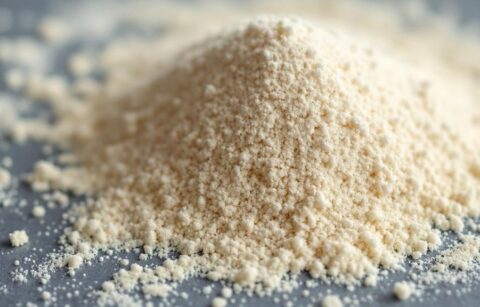
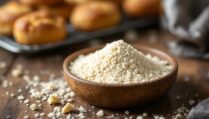
Instant yeast is a dry yeast that has been milled into finer granules than active dry yeast, allowing it to dissolve and activate more quickly. Unlike fresh yeast, it doesn’t require proofing in water before use, making it a convenient choice for many home bakers.
Instant yeast has a longer shelf life and is often vacuum-packed, making it a staple in many kitchens due to its stability and reliability.
Key Differences Between Fresh and Instant Yeast
The primary differences between fresh yeast and instant yeast lie in their form, storage requirements, and activation method.
- Form: Fresh yeast is moist, whereas instant yeast is dry.
- Storage: Fresh yeast needs refrigeration and has a shorter shelf life, typically around two weeks. Instant yeast can be stored in a cool, dry place for up to two years.
- Activation: Fresh yeast must be dissolved in water, whereas instant yeast can be mixed directly with dry ingredients.
These differences can affect the texture and flavor of your baked goods, with fresh yeast providing a slightly more nuanced flavor.
When to Use Fresh Yeast
Fresh yeast is ideal for recipes that require a long fermentation time or when a delicate flavor is desired. It’s particularly favored in European-style breads and pastries, such as brioche and croissants.
When using fresh yeast, it’s important to keep it fresh by storing it in the refrigerator and using it within a couple of weeks. Many professional bakers prefer fresh yeast for its reliable rise and subtle taste.
When to Use Instant Yeast
Instant yeast is best for quick breads and recipes where convenience is key. It’s perfect for home bakers who want to save time without sacrificing quality. Instant yeast is also less sensitive to temperature changes, making it more forgiving for beginners.
For recipes that require a fast rise, such as pizza dough or sandwich bread, instant yeast is the go-to choice for many due to its rapid activation.
Cost Considerations: Fresh vs. Instant Yeast
When choosing between fresh and instant yeast, cost can be a significant factor, especially for frequent bakers or those operating a bakery. Fresh yeast is often more expensive per ounce due to its higher moisture content and storage requirements.
However, a study from 2023 showed that while fresh yeast can cost upwards of $0.20 per ounce, instant yeast generally costs around $0.10 per ounce, making it more economical for bulk purchases. This difference can add up significantly over time, especially if you’re baking large batches regularly.
Environmental Impact of Yeast Choices
Environmental considerations are increasingly influencing consumer choices, including the type of yeast used in baking. Fresh yeast production involves more water and energy usage due to its perishable nature and refrigeration needs.
Conversely, instant yeast is dried and can be stored for longer periods without refrigeration, reducing its carbon footprint. A 2022 analysis highlighted that the production and storage of instant yeast contribute to 30% less carbon emissions compared to fresh yeast, making it a more sustainable option for environmentally conscious bakers.
Tips for Baking with Yeast
Baking with yeast can be a bit tricky, but these tips can help ensure success:
- Temperature: Keep your liquids between 100°F and 110°F for best yeast activation.
- Environment: Dough rises best in a warm, draft-free area.
- Hydration: Pay attention to the moisture content of your dough; too dry or too wet can affect the rise.
- Patience: Allow enough time for the dough to rise fully; rushing can lead to dense bread.
Common Baking Mistakes with Yeast
Even experienced bakers can make mistakes when working with yeast. Here are some common pitfalls:
- Old Yeast: Using expired yeast can lead to failed rises, so always check the expiration date.
- Wrong Temperature: Water that’s too hot can kill yeast, while water that’s too cold can slow down the rise.
- Improper Storage: Not storing yeast correctly can reduce its effectiveness.
- Over-proofing: Allowing dough to rise too long can cause it to collapse.
Conclusion: Choosing the Right Yeast for Your Recipe
Both fresh yeast and instant yeast have their unique advantages, and the choice largely depends on the specific needs of your recipe and your personal preferences as a baker. For those seeking traditional flavor and texture, fresh yeast is the way to go. If convenience and speed are your priorities, instant yeast is a fantastic alternative. Understanding these differences will help you make informed decisions and produce consistently delicious baked goods.