








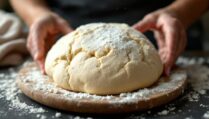


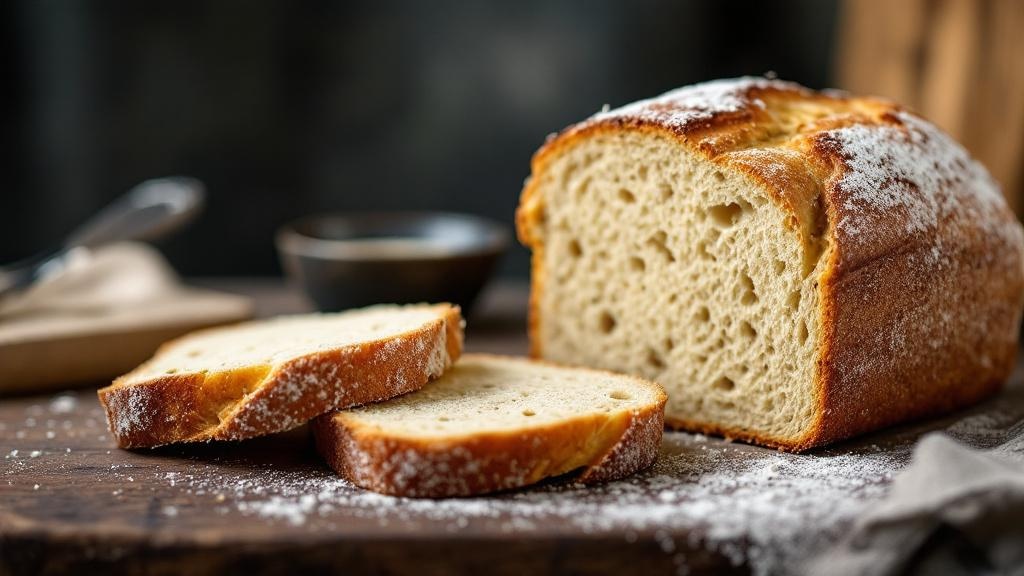
Sourdough bread has been a staple in human diets for thousands of years, offering a depth of flavor and texture that sets it apart from other breads. At the heart of this process is the sourdough bread culture—a living, breathing entity that requires care and attention. By understanding the culture, you can unlock the secrets to creating artisanal bread in your own kitchen.
- What is Sourdough Bread Culture?
- The Science Behind Sourdough Fermentation
- How to Create Your Own Sourdough Culture
- Maintaining Your Sourdough Starter
- Troubleshooting Common Issues
- Seasonal Variations in Sourdough Baking
- The Role of Flour Types in Sourdough Culture
- Tips for Baking with Sourdough Culture
- Recipes to Try with Your Sourdough Culture
What is Sourdough Bread Culture?
Sourdough bread culture is a mixture of flour and water that captures wild yeast and bacteria from the environment. This culture, often referred to as a starter, is used as the leavening agent in sourdough bread, providing both rise and flavor. Unlike commercial yeast, which is a single strain, a sourdough culture is a complex ecosystem, housing various strains of yeast and lactobacilli.
The Science Behind Sourdough Fermentation
The fermentation process in sourdough is a fascinating interplay between yeast and bacteria. Yeast consumes sugars in the flour, producing carbon dioxide and alcohol, which helps the dough rise. Meanwhile, lactobacilli produce lactic and acetic acids, creating the tangy flavor characteristic of sourdough. According to a study published in 2021, the ratio of yeast to bacteria in a typical sourdough starter is roughly 1:100, emphasizing the dominance of bacteria in flavor development.
How to Create Your Own Sourdough Culture
Creating a sourdough starter from scratch is a rewarding process. Begin with equal parts flour and water, about 100 grams each, and mix them until smooth. Leave the mixture at room temperature, loosely covered, to allow natural yeasts and bacteria to colonize it. Over the next 5-7 days, discard half of the mixture daily and replenish it with fresh flour and water. By the end of the week, you should see bubbles and experience a pleasantly sour aroma, indicating a healthy starter.
Maintaining Your Sourdough Starter
Once established, maintaining a sourdough starter is straightforward. Regular feedings are crucial, typically once a week if refrigerated, or daily if kept at room temperature. To feed, discard half of the starter and refresh it with equal parts flour and water. A well-maintained starter can last indefinitely, with some bakers reporting starters over 100 years old.
Troubleshooting Common Issues
Even experienced bakers encounter issues with their sourdough starters. Common problems include a lack of bubbles, indicating inactive yeast, or a foul odor, suggesting unwanted bacterial growth. Address inactivity by ensuring your starter is warm enough, as yeast thrives between 70°F and 85°F. For unpleasant smells, try refreshing the starter more frequently or using filtered water to avoid chlorine, which can inhibit microbial activity.
Seasonal Variations in Sourdough Baking
Seasonal changes can significantly impact your sourdough baking. In warmer months, fermentation happens faster due to higher temperatures, which can lead to over-proofing if not monitored. Conversely, in colder months, the fermentation process slows down, requiring more time for the dough to rise. According to a 2022 survey, over 65% of home bakers adjust their feeding schedules with the change of seasons to maintain optimal starter activity.
The Role of Flour Types in Sourdough Culture
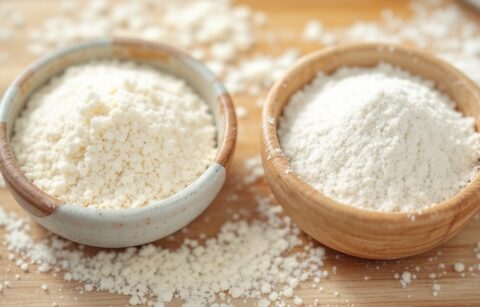
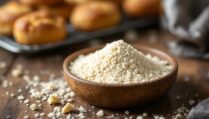
The type of flour used in a sourdough starter can drastically affect its behavior and the resulting bread. Whole grain flours like whole wheat or rye contain more nutrients and wild yeasts, promoting robust fermentation. In contrast, white flour results in a milder starter. Data from a 2023 baking study showed that rye flour starters produced bread with a 20% higher lactic acid content, contributing to a tangier flavor profile.
Tips for Baking with Sourdough Culture
Baking with sourdough culture requires patience and practice. Always use a well-fed starter for optimal rise and flavor. Experiment with hydration levels; higher water content can lead to a more open crumb. According to seasoned bakers, allowing dough to ferment slowly in a cool environment enhances the bread’s flavor profile and texture.
Recipes to Try with Your Sourdough Culture
Once comfortable with your starter, experiment with various sourdough recipes. Classic sourdough loaf, sourdough pancakes, and even sourdough pizza crusts are excellent ways to utilize your culture. Each recipe can highlight different aspects of the starter’s flavor and performance, offering a unique baking experience each time.
Advantages and Limitations of Sourdough Bread Culture
- Advantages:
- Enhanced flavor and texture compared to commercial yeast bread
- Natural leavening without the need for commercial yeast
- Potential health benefits due to fermentation, such as improved digestibility
- Limitations:
- Requires regular maintenance and feeding
- Longer fermentation times compared to commercial yeast
- Sensitive to environmental changes, necessitating careful monitoring
Frequently Asked Questions
What is the best flour to use for a sourdough starter?
Whole grain flours like whole wheat or rye are ideal as they contain more nutrients and natural yeasts, promoting strong starter growth.
How long does it take to create a sourdough starter?
On average, it takes about 5 to 7 days to establish a sourdough starter, depending on temperature and flour type.
Why does my sourdough starter smell like alcohol?
An alcohol smell indicates that your starter is hungry. Regular feedings are necessary to prevent this.
Can I use tap water for my starter?
While tap water is generally fine, heavily chlorinated water can hinder microbial activity. Consider using filtered water if issues arise.
How do I know if my starter is ready to bake with?
Your starter is ready when it doubles in size within 4 to 6 hours of feeding and has a pleasant tangy aroma.
Getting Started with Sourdough Baking
Embarking on your sourdough journey is as simple as gathering flour, water, and a container. Begin by creating your starter, maintaining it with regular feedings, and experimenting with different recipes. Join online communities or local baking groups to exchange tips and troubleshoot issues. With patience and practice, you’ll master the art of sourdough baking, producing delicious and nutritious bread.
To conclude, understanding and nurturing sourdough bread culture opens up a world of culinary possibilities. Whether you’re aiming for the perfect crusty loaf or exploring creative uses for your starter, the journey is as rewarding as the results.