







Baking is both an art and a science, and choosing the right ingredients is crucial for success. One common decision bakers face is whether to use yeast cakes or dry yeast. Both have their advantages, and understanding their differences can significantly impact your baking outcomes.
- Understanding Yeast Cakes
- Exploring Dry Yeast
- Key Differences Between Yeast Cakes and Dry Yeast
- When to Use Yeast Cakes
- When to Use Dry Yeast
- Tips for Successful Baking with Both Types
- Advantages and Limitations
- Frequently Asked Questions
- Getting Started
- Conclusion
Understanding Yeast Cakes
Yeast cakes, also known as compressed or fresh yeast, are moist blocks of yeast cells. They are highly perishable, typically lasting only about two weeks in the refrigerator. Yeast cakes are sold in 2-ounce packages and are known for their strong, consistent rise, which makes them a favorite among professional bakers for certain types of bread.
According to historical baking practices, yeast cakes were the primary form of yeast used before dry yeast became popular in the mid-20th century. These cakes provide a robust flavor and are activated immediately when mixed with other ingredients, which can be ideal for recipes requiring a quick rise.
Exploring Dry Yeast
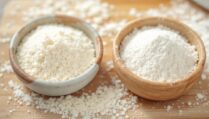
Dry yeast is available in two main forms: active dry yeast and instant yeast. Active dry yeast must be dissolved in water before use, while instant yeast can be mixed directly with dry ingredients. The major advantage of dry yeast is its long shelf life, often lasting up to two years if stored properly.
Dry yeast gained popularity due to its convenience and ease of use. In 2026, global production of dry yeast reached approximately 3.8 million metric tons, highlighting its dominance in the baking industry. This form of yeast is also more tolerant to temperature fluctuations, making it accessible for home bakers.
Key Differences Between Yeast Cakes and Dry Yeast
The primary differences between yeast cakes and dry yeast are their form, shelf life, and handling requirements.
| Aspect | Yeast Cakes | Dry Yeast |
|---|---|---|
| Form | Moist block | Granular, dry |
| Shelf Life | 2 weeks refrigerated | Up to 2 years |
| Activation | Immediate | Requires water (active dry) |
| Flavor | Robust | Milder |
When to Use Yeast Cakes
Yeast cakes are best used in recipes that benefit from a strong yeast flavor and require a quick rise. They are ideal for traditional bread recipes like sourdough or pumpernickel, where the yeast’s character can shine through. Fresh yeast is also preferred in colder environments, where rapid activation can help counteract slower rises due to lower temperatures.
When to Use Dry Yeast
Dry yeast is perfect for everyday baking, particularly for home bakers who might bake less frequently. Its long shelf life and easy storage make it a practical choice for most recipes. Dry yeast is especially useful for sweet doughs, as it can withstand the sugar content better than fresh yeast. For recipes requiring slow fermentation, such as pizza dough, dry yeast offers predictable results.
Tips for Successful Baking with Both Types
To achieve the best results with yeast cakes, ensure they are fresh and properly stored, typically in the refrigerator. Always check for any signs of spoilage, such as an off smell or discoloration. When using dry yeast, store it in a cool, dry place, and always proof active dry yeast to ensure it is still viable.
- For yeast cakes, use a ratio of 0.6 ounces per loaf of bread.
- For dry yeast, use about 2 1/4 teaspoons per loaf.
- Consider the recipe’s sugar content and adjust yeast type accordingly.
- Monitor dough rise closely to prevent over-proofing.
Advantages and Limitations
Understanding the pros and cons of each type of yeast can aid in making the right choice for your baking needs.
Advantages of Yeast Cakes:
- Provides a strong, robust flavor.
- Immediate activation with no need for rehydration.
- Preferred by many for traditional bread recipes.
Limitations of Yeast Cakes:
- Short shelf life, requiring refrigeration.
- Less convenient for infrequent bakers.
Advantages of Dry Yeast:
- Long shelf life and easy storage.
- Simple to use with dry ingredients.
- Versatile for a variety of recipes.
Limitations of Dry Yeast:
- Requires proofing if using active dry yeast.
- Milder flavor compared to fresh yeast.
Frequently Asked Questions
What is the main difference between yeast cakes and dry yeast?
Yeast cakes are moist blocks with a strong flavor, while dry yeast is granular with a longer shelf life.
Can I substitute dry yeast for yeast cakes?
Yes, but you’ll need to adjust quantities, using about 2 1/4 teaspoons of dry yeast for every 0.6 ounces of yeast cake.
How should I store yeast cakes?
Yeast cakes should be stored in the refrigerator and used within two weeks to maintain freshness.
What is the shelf life of dry yeast?
Dry yeast can last up to two years if stored in a cool, dry place.
Which yeast is better for sweet doughs?
Dry yeast is generally better for sweet doughs due to its tolerance to sugar.
Getting Started
To begin using yeast in your baking, decide which type suits your recipe needs and storage capabilities. Purchase fresh yeast cakes if you plan to bake frequently and can store them properly. If you prefer convenience and longer shelf life, opt for dry yeast. Remember to adjust your recipe accordingly based on the type of yeast you choose, ensuring delicious results every time.
Conclusion
Choosing between yeast cakes and dry yeast depends largely on your baking needs and preferences. Both have their unique advantages, whether you’re looking for a robust flavor or long shelf life. Understanding these differences can help you decide which one to use for your next baking project, ensuring delicious and consistent results.